The Hidden History of Gypsum Mining in Murcia
Located in the sunny southeastern corner of Spain, the region of Murcia holds deep historical secrets just beyond its vibrant capital city. Hiking through the nearby El Valle y Carrascoy Regional Park—a protected mountainous green haven flanking the city—is like stepping into a living history and geology lesson.
Beneath the scenic trails of this Mediterranean forest lies a wealth of geological treasures that shaped the local culture. Gypsum, a natural mineral used to create plaster, defined the regional architecture and economy for centuries. Today, travelers exploring these mountains can still discover the ancient stone kilns that transformed raw rock into an essential building material.
Historical Origins and the Islamic Heritage of Algezares
This mining activity is far from new, tracing its roots back to the Andalusí period between the 12th and 13th centuries, when a large part of the Iberian Peninsula was under Islamic rule. Traditional gypsum mining was deeply intertwined with the socio-economic growth of the famous *Huerta de Murcia*, the fertile agricultural valley and historic orchard lands surrounding the city.
In fact, the old Arabic influence remains frozen in the local geography. The name of the nearby village, Algezares, and its surrounding hills derives directly from the Arabic word for gypsum deposits, scientifically classified as calcium sulfate dihydrate. This rich geological hotspot gave the town its identity. Historically, these mountain operations were small, family-run businesses that combined raw extraction from hillside quarries with on-site processing and milling zones.
Architecture and Workings of the Traditional Kilns
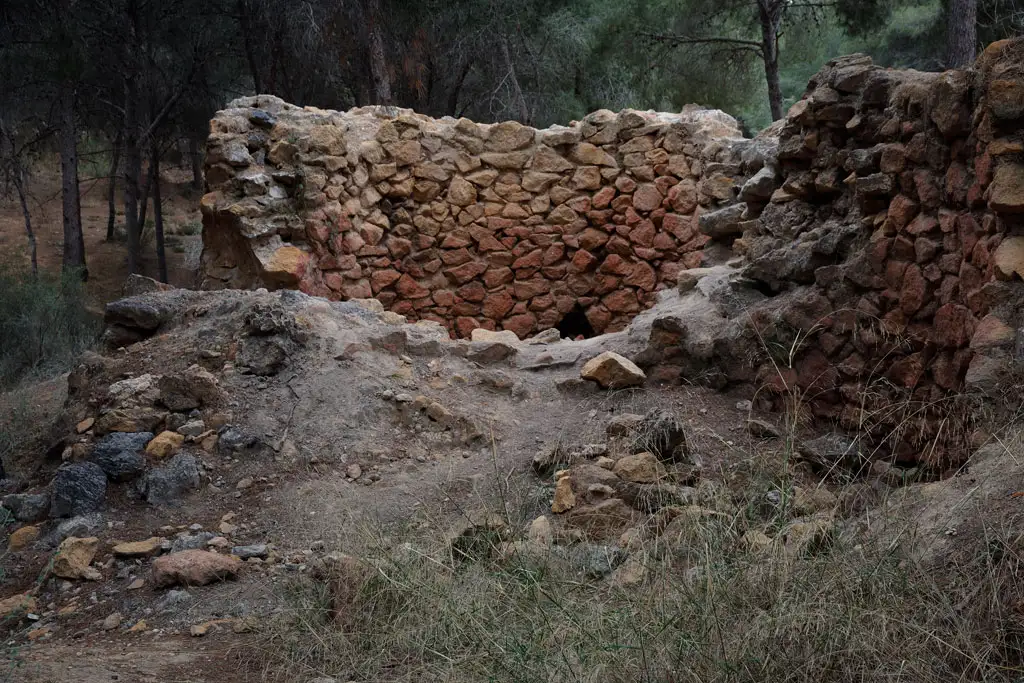
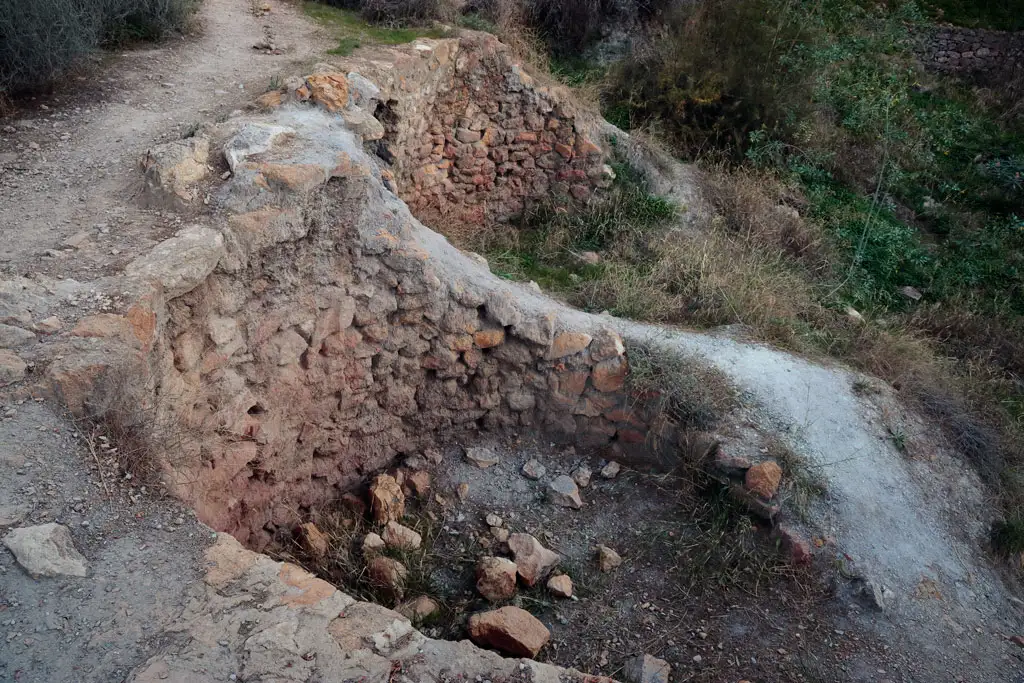
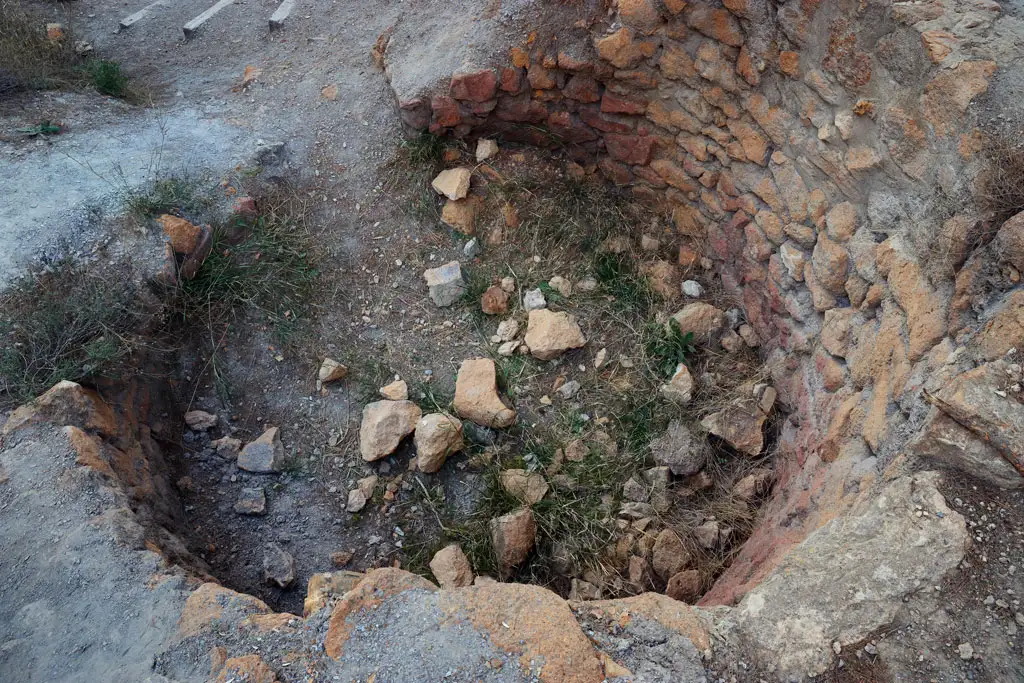
The vernacular engineering of these ancient structures showcases a brilliant adaptation to the rugged terrain of the Murcian mountains. The kilns were built in a robust cylindrical shape, utilizing the natural yellow sandstone found in the immediate environment. Due to the extreme heat generated during the burning process, the original yellowish hue of the stones gradually baked into a striking, vibrant red. Inside the structure, workers built a central dome remarkably similar to traditional wood-fired bread ovens, where firewood was loaded to heat the entire system.
Above this dome, stones rich in gypsum, locally called *aljez*, were carefully stacked. Once the fire was lit, master artisans maintained a constant bake for nine to twelve hours. After the dehydration and cooling process, the baked mineral was moved to a nearby milling floor, where animal traction was used to crush the stone into a fine plaster powder.
From Artisanal Quarries to Modern Open-Pit Mining
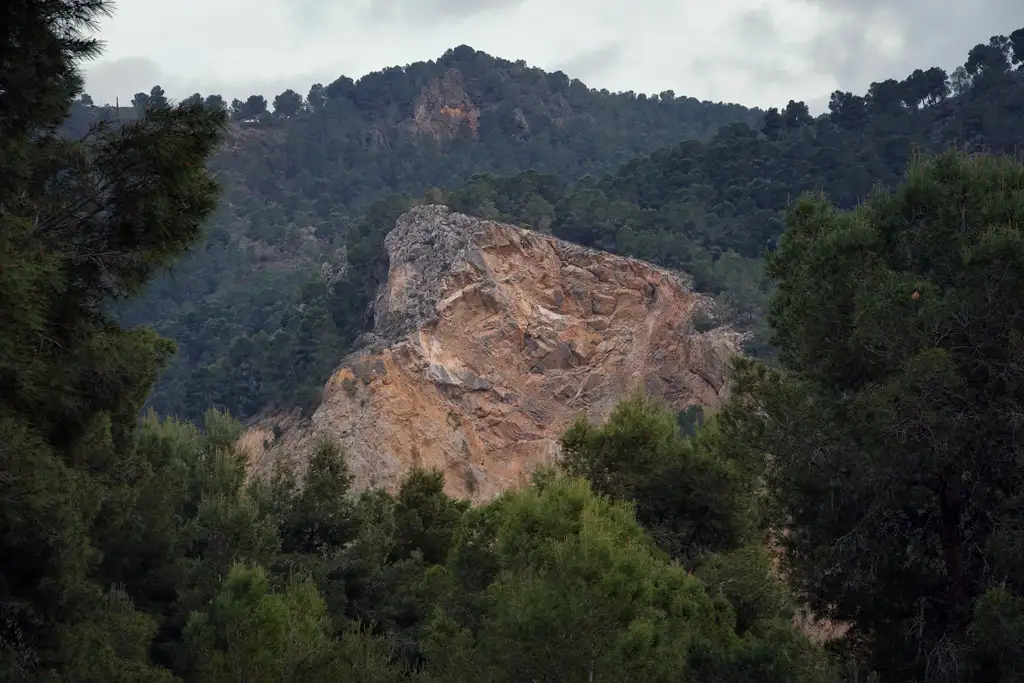
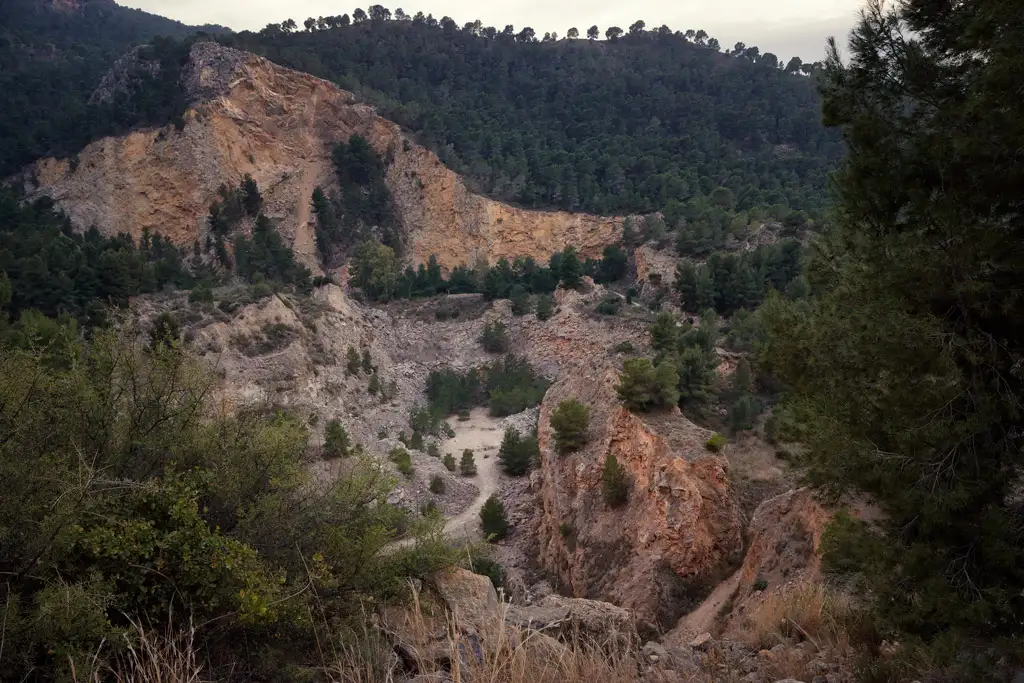
Beyond the artisanal production found in the old stone ruins, these Spanish mountains have also hosted significant open-pit mining operations dedicated to extracting gypsum and construction aggregates. In these modern mines, materials are extracted from large open pits using excavators, cutting machinery, and controlled explosives. The extracted gypsum possesses an extraordinary versatility, ranging from traditional wall plastering, decorative stuccos, and moldings to critical industrial applications in cements and agricultural fertilizers.
Meanwhile, neighboring aggregate mines crush the excavated rock into specific fragments tailored for infrastructure and civil engineering projects. This industrial evolution reinforces the strategic role that these geological deposits have always played in the urban and architectural development of southeastern Spain.
Where to Find These Industrial Heritage Treasures
While these mountain ranges preserve numerous historical vestiges, the most iconic and best-preserved examples of these ancient kilns are located near the village of Algezares and the Majal Blanco nature reserve. This intense reliance on gypsum remained a vital economic driver in the region well into the mid-20th century.
Today, these traditional structures stand as protected ethnographic monuments that invite sustainable cultural tourism. Exploring these hiking trails allows modern travelers to connect with the ingenuity and resilience of past generations, offering a unique glimpse into how human labor adapted to the beautiful but challenging natural landscape of southern Spain.
More information
Original article: Los hornos de yeso en El Valle (Spanish)
Locations (El Valle – Murcia):
Plaster ovens
Oven (front image)
Gypsum Mine