A Mountain Refuge Under Siege
High in the rugged backcountry of Moratalla, nestled within the driest corner of southeastern Spain, lies the mountain village of El Sabinar. For generations, this isolated outpost was revered as a cool sanctuary. While the lowlands of Murcia withered under intense Mediterranean summers, El Sabinar offered fresh mountain air and mild seasonal shifts. It was a place defined by dramatic contrasts—a unique high-altitudehaven where winter snow fell reliably every year and summer afternoons hovered at a comfortable 32°C. That world is rapidly vanishing. Global warming is no longer a abstract debate for the people of El Sabinar; it is a choking, daily reality. The mountain rains that once nourished local springs are fading. The legendary summer breezes have been replaced by a heavy, motionless heat that regularly pushes the mercury to an unprecedented 38°C. The cool refuge has become an furnace.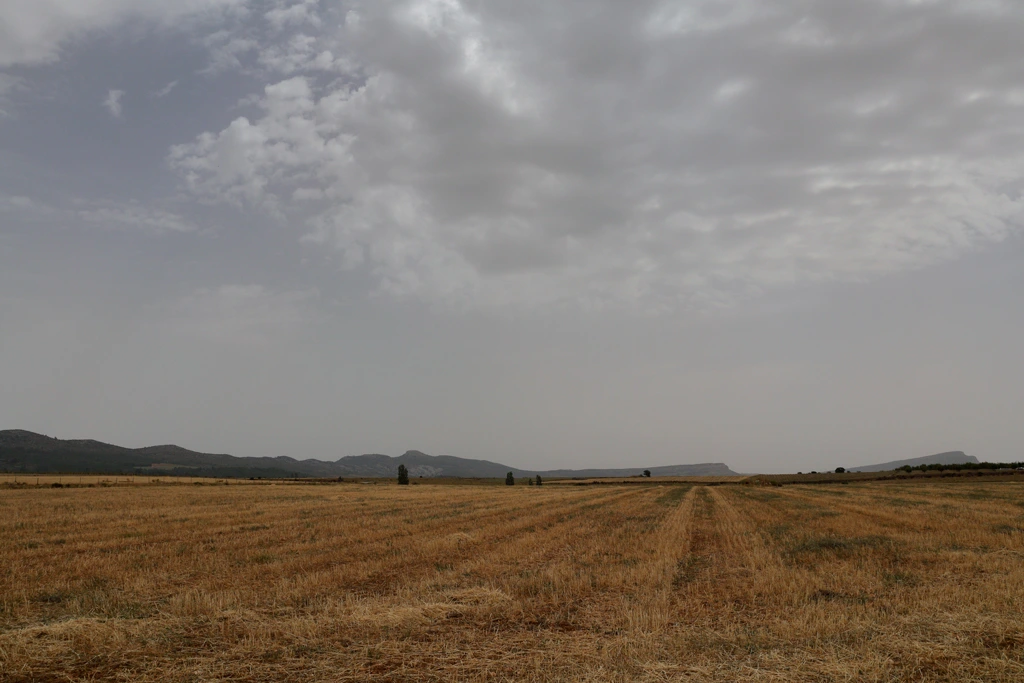
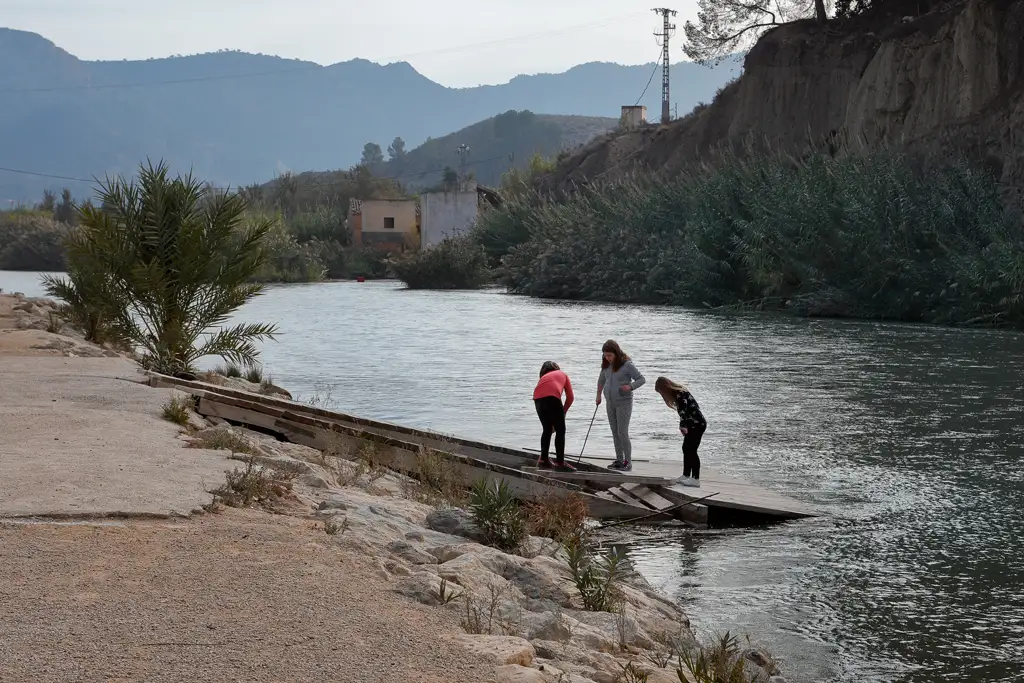
This photo was taken around 12:00 p.m.
Living by the Rhythm of the Alarm
Life in the village is now dictated by the sharp, persistent hum of mobile phone alerts. The Spanish Meteorological Agency, AEMET, broadcasts a relentless stream of color-coded warnings that govern every daylight hour. What used to be an occasional Code Yellow for routine summer heat has escalated into a summer defined by terrifying Orange and Red alerts. These warnings are not mere weather forecasts; they are survival advisories. A Code Yellow warns of rising danger as temperatures approach 38°C. Code Orange signals a grave environmental hazard, demanding that residents retreat indoors as heatwaves surge past 40°C. On the rarest and most perilous days, Code Red heralds life-threatening conditions—blistering heat exceeding 43°C or sudden, destructive deluges. For the inhabitants of El Sabinar, these alerts are a constant reminder that the atmosphere around them has turned hostile.The Ghostly Haze and the Dry Skies
Stepping outside on a July afternoon feels like walking into an oven. The sky above El Sabinar is no longer the brilliant, crystalline blue that mountain dwellers knew for centuries. Instead, a dense, pale curtain of calima like haze—fine dust carried probably from the Sahara Desert—hangs suspended in the air. This grey, semi-permeable shroud dims the sun into a pale disc, casting an eerie, perpetual twilight over the village rooftops and the surrounding mountains. Through this hazy dusk, a fierce, bone-dry wind sweeps across the slopes, stripping moisture from every tree and shrub. Relative humidity frequently plummets to a staggering 20 percent. While this dry air prevents the suffocating sweat of the coast, it transforms the surrounding wilderness into a powder keg. As late afternoon approaches, dark storm clouds often roll over the peaks, promising relief. Yet the promised rain never touches the earth; the precipitation evaporates in the scorching lower atmosphere before reaching the soil. These dreaded "dry thunderstorms" bring only terrifying displays of dry lightning. A single strike can instantly ignite the parched, inaccessible pine forests, threatening a catastrophic wildfire.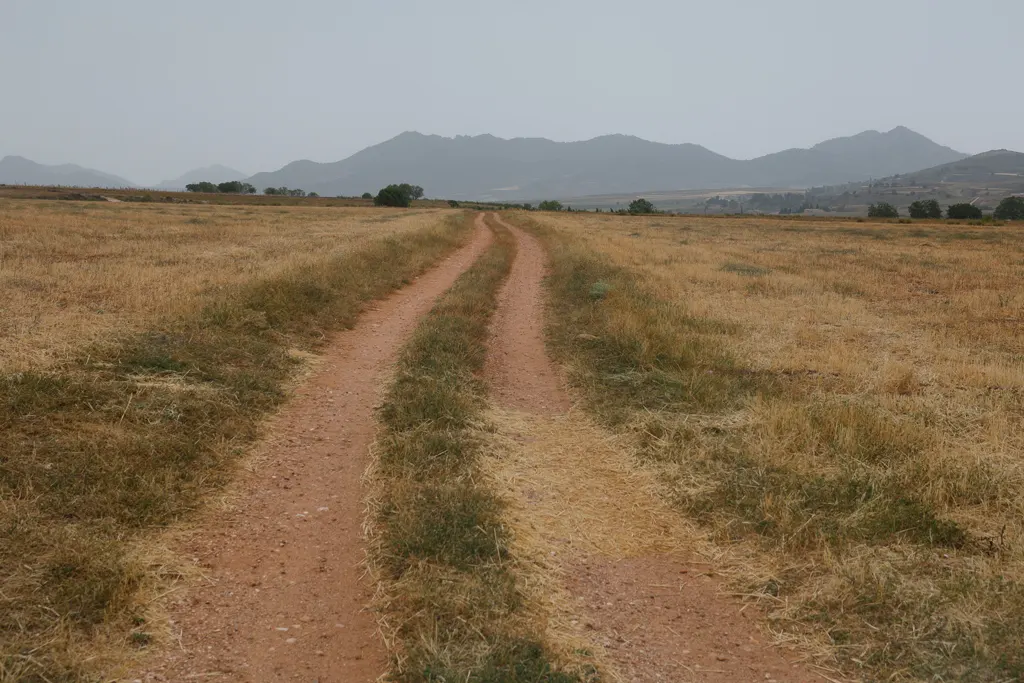
The mineral particles create a haze that partially blocks the sunlight around noon
Homes Built for Snow, Fragile for Heat
El Sabinar is geographically isolated, sitting at the end of winding mountain roads roughly 40 kilometers from the nearest city. A simple errand requires a long drive down the mountain, demanding careful foresight. The village architecture reflects its historical identity: thick stone walls, small windows, and sturdy roofs designed to trap heat during bitter, snowy winters. Tragically, these traditional homes are entirely unprepared for prolonged heatwaves. Once the oppressive heat penetrates the thick stone, the houses become heat traps that retain thermal energy through the night. Air conditioning is virtually non-existent here. Most residents rely on small electric fans that do little more than circulate the warm, dusty air. This environment takes a heavy toll on the community's heart: its elderly population. The majority of El Sabinar’s residents are over sixty years old. As human bodies age, regulating internal temperature becomes increasingly difficult, making the relentless summer heat a direct threat to health and overall survival.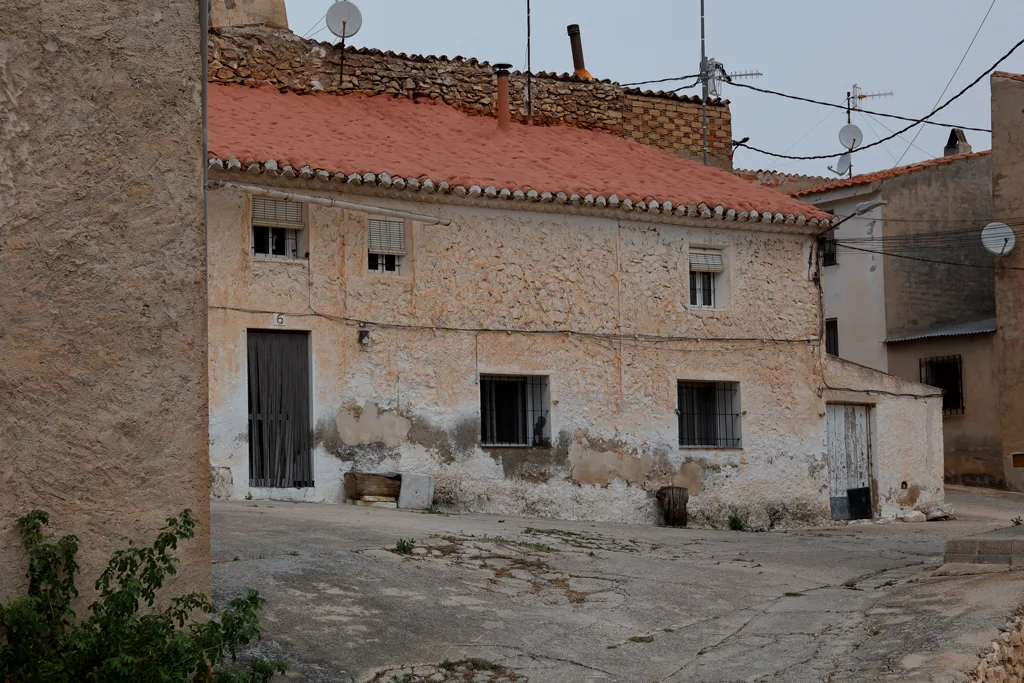
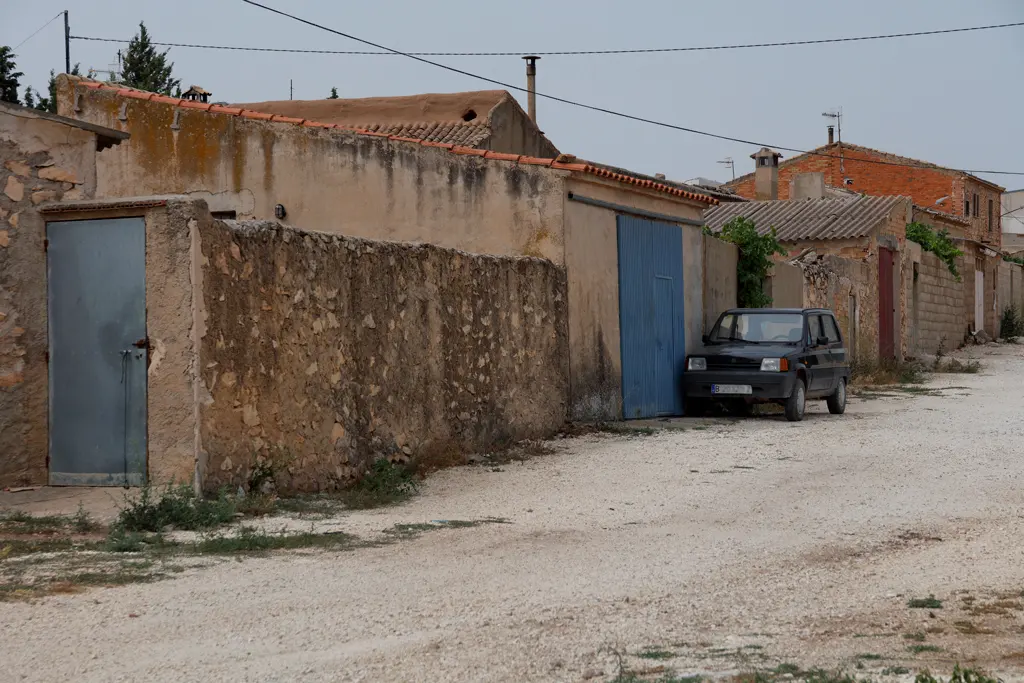
This photo of the traditional house was taken around noon
Dusk Gatherings and a Struggling Grid
When the sun finally dips below the dust-veiled horizon, El Sabinar slowly comes back to life. Following an age-old Spanish tradition, residents drag chairs out onto the streets to tomar el fresco—to catch the night breeze and speak with neighbors. In years past, these evening gatherings were filled with laughter and village gossip. Today, the conversation inevitably turns to the weather, the dying crops, and the growing fear of what next summer will bring. Desperate for relief, several families have considered installing air conditioning units. However, the village faces a glaring infrastructural wall. The local electrical grid is ancient and fragile. Even now, power outages strike the village roughly three times a day. While these blackouts currently last only a few minutes, they are growing longer. If the village were to collectively power up high-draw air conditioning units, the aging electrical network would suffer a catastrophic collapse, leaving everyone without power or water pumps in the peak of the heat.An Accidental Sanctuary on the Brink
Water is perhaps the most fragile link in El Sabinar’s survival chain. With no major rivers nearby, the community relies entirely on local mountain springs and seasonal rainfall. As precipitation dwindles and drought deepens, the water tables beneath the mountains are slowly drying up. There is a deep, poignant irony in the struggle of El Sabinar. By modern standards, its people live remarkably eco-friendly lives—not out of wealthy idealism, but out of necessity and tradition. Living on modest pensions, villagers grow their own vegetables in small backyard plots, repair broken tools rather than throwing them away, and consume very little. Their carbon footprint is a fraction of that found in modern cities. Aside from smartphones and the flat screen television, daily life mirrors the low-impact habits of fifty years ago.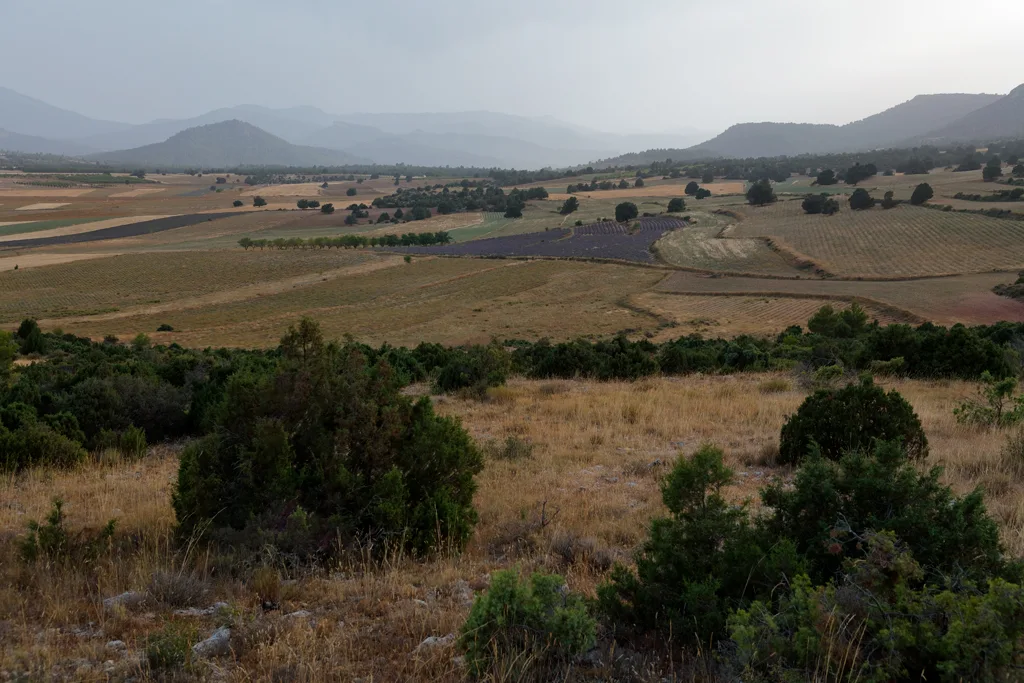 Yet, this community is paying the highest price for a global crisis it did not create. The delicate balance between human tradition and mountain ecology in Moratalla is fracturing. As the springs dry, the forests burn, and the summers become unbearable, the resilient people of El Sabinar face a heartbreaking ultimatum: find a way to adapt to a hostile new climate, or abandon their historic mountain home forever. More information about air quality European Air Quality Index