The Lifeblood of Blanca and the Ricote Valley
Today, I am sharing a series of photos capturing the Segura River as it flows through Blanca. During a recent photoshoot along the riverbanks, I took the opportunity to photograph the surrounding landscape, including the iconic iron bridge built in 1934 by “Talleres Peña” from Murcia.
From Negra to Blanca
Nestled in the heart of the Murcia region, between dramatic mountain ridges and jagged rock formations, lies the picturesque town of Blanca. While visitors today admire its houses and medieval castle, the true architect of this landscape is the Segura River. Winding like a silver ribbon through the narrowest stretch of the Ricote Valley, the river is the very reason Blanca exists.
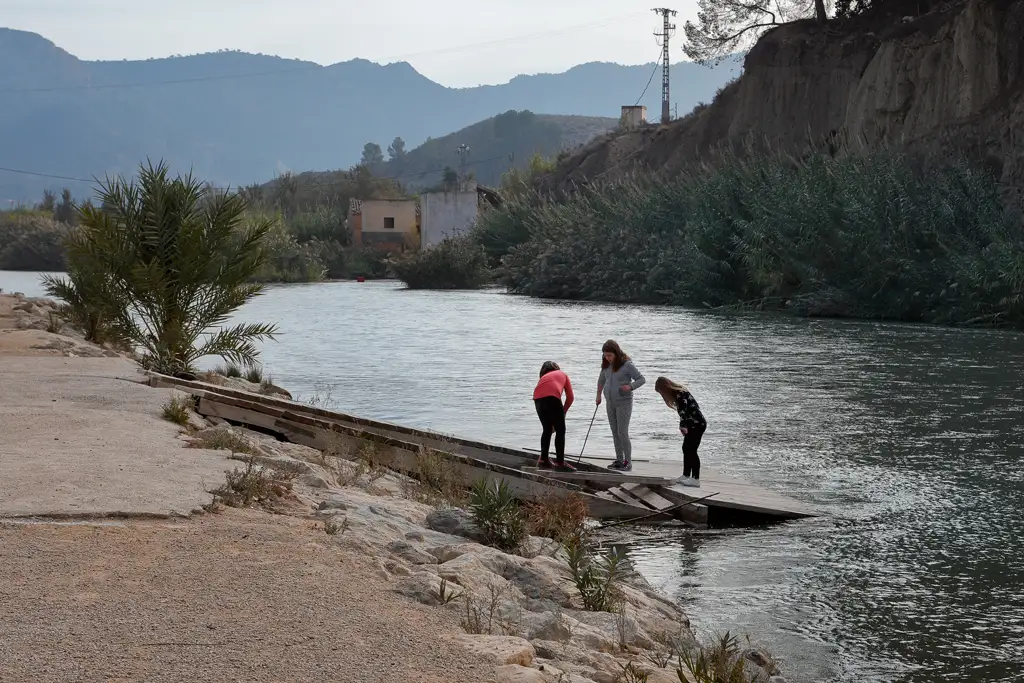
The jetties in the river from which the boats can be launched
To understand this deep connection, one must look back to the early Middle Ages during the Al-Andalus period. Originally known by its Arabic name, Negra, the settlement flourished thanks to Moorish hydro-engineers. In the arid climate of southeastern Spain, they transformed the narrow valley into a lush agricultural oasis through an intricate network of canals (acequias y azarbes), waterwheels, and terraces. The Segura provided not only vital drinking water but also the economic engine for a thriving agricultural community.
The transition from Negra to Blanca occurred between 1353 and 1362, influenced by Queen Doña Blanca of Castile and the Order of Santiago. Despite these political changes, the Moorish water management tradition remained central to daily life, governing local law, land distribution, and societal structure for generations.
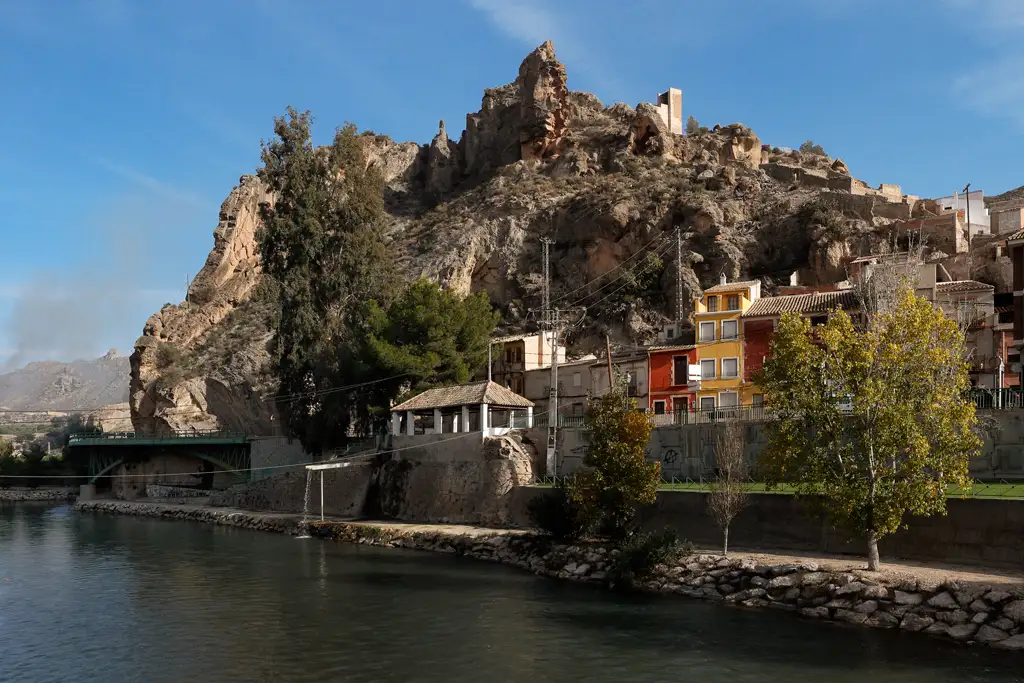
The castle (ruins) of Blanca, at the point where the river enters the village
Living Beside a Tamed Giant
The relationship between Blanca and the Segura has always required balance. While a generous provider, the river could also become a destructive force. The Mediterranean climate is known for extreme weather, where months of drought can suddenly give way to torrential downpours—the infamous DANA or gota fría phenomenon.
Over the centuries, heavy rains in the mountains of Jaén and Albacete caused raging floodwaters to funnel through the narrow gorges of the Ricote Valley. These surging waters occasionally devastated crops and local infrastructure. Yet, the inhabitants of Blanca never abandoned their river. After every flood, the community cleared the mud, repaired the irrigation channels, and replanted their crops in the fertile silt left behind, forging a remarkable resilience deeply rooted in mutual respect for nature.
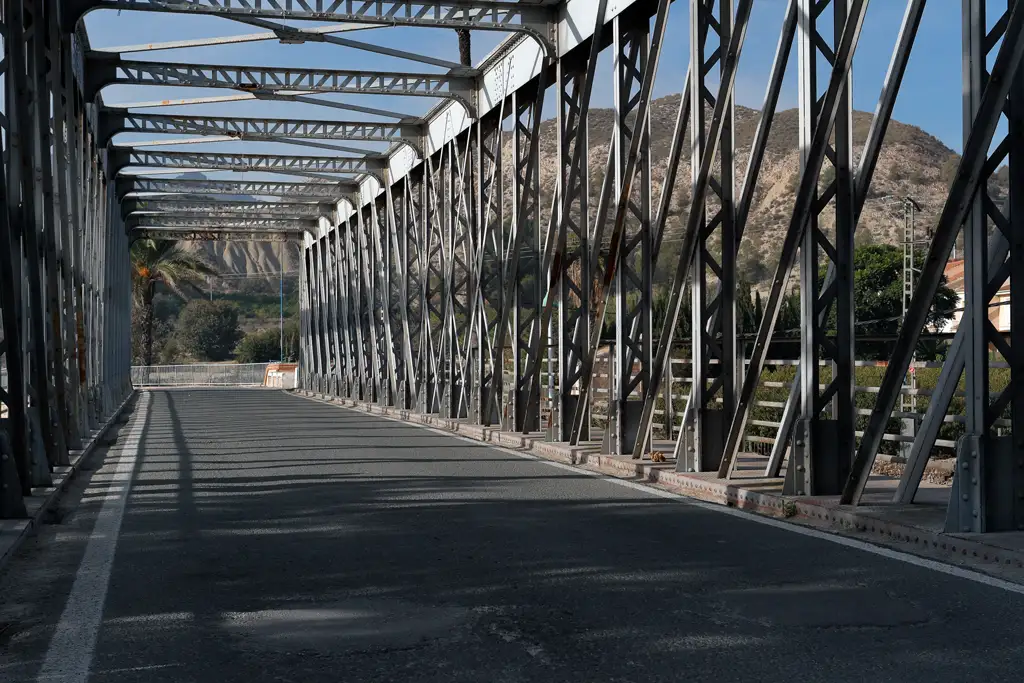
The iron bridge over the Segura River build in 1934
A Modern Revival: Ecology, Heritage, and Ecotourism
In recent decades, the Segura River has undergone an extraordinary ecological restoration. Once heavily impacted by industrial and agricultural demands, extensive conservation efforts have turned it into one of the cleanest and best-managed river ecosystems in Spain. Native wildlife, including otter populations and rare waterbirds, has returned to its flourishing riverbanks.
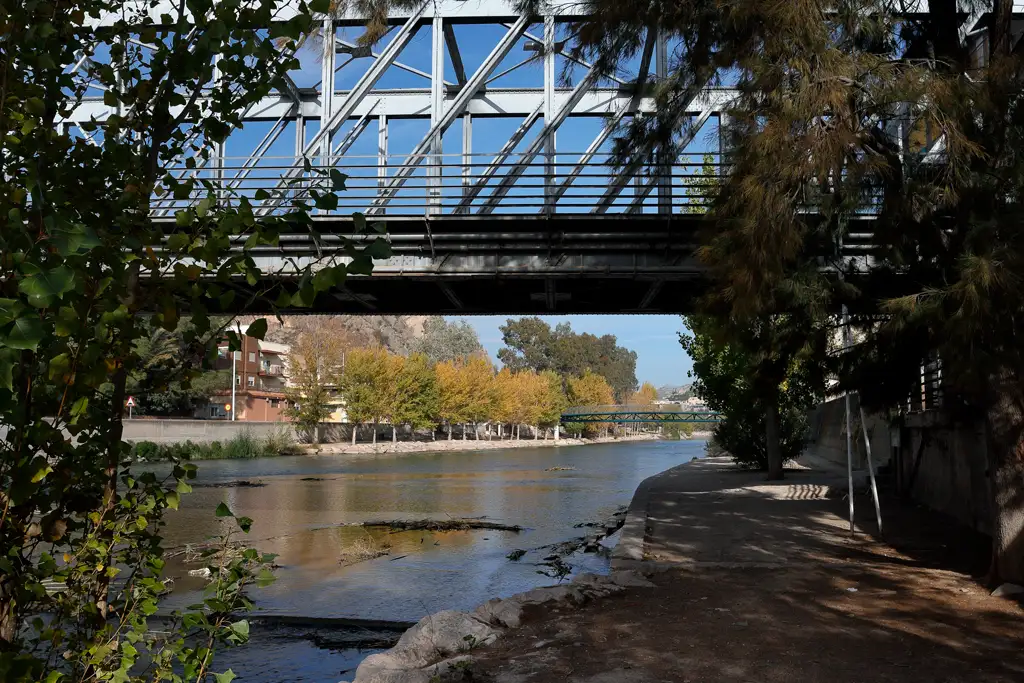
View from under the iron bridge over the Segura River
This environmental rebirth has opened exciting avenues for sustainable tourism and outdoor sports. Blanca’s unique positioning along a dramatic river bend makes it an premier destination for kayaking, canoeing, and rafting in Murcia. Visitors can also explore the tranquil waters of the nearby Ojós Reservoir (Azud de Ojós), a striking body of water surrounded by palms and mountains that serves as a vital water regulatory system for the region.
From the historic 1934 iron bridge to the tranquil reflections beneath the Moorish castle, the Segura River remains the heart of Blanca. They are a living testament to history, culture, and community spirit in the Mediterranean inland.
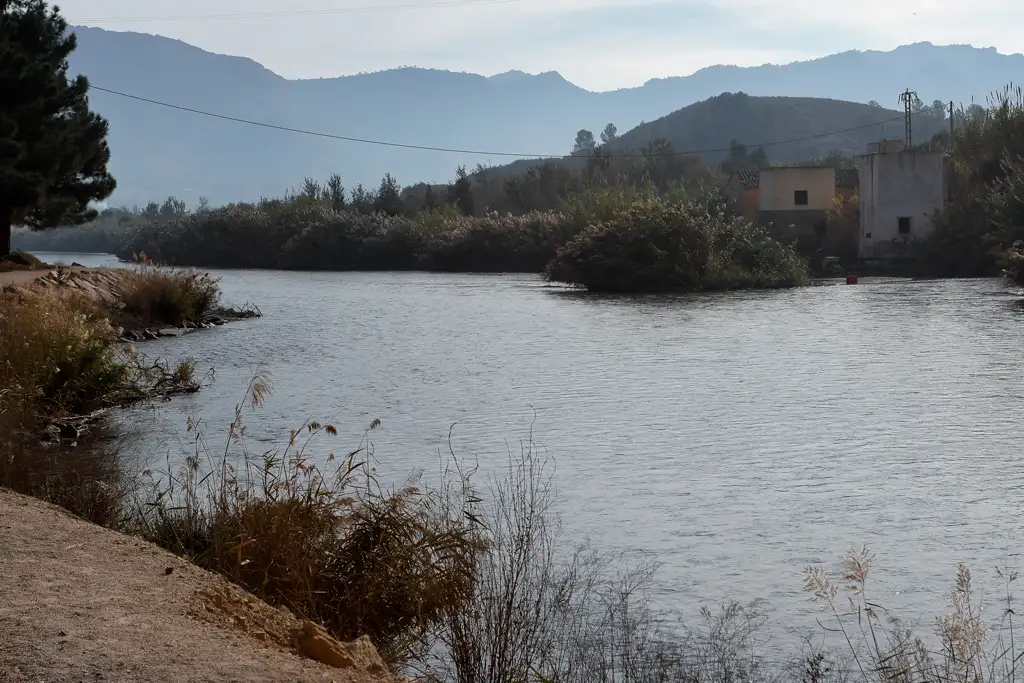
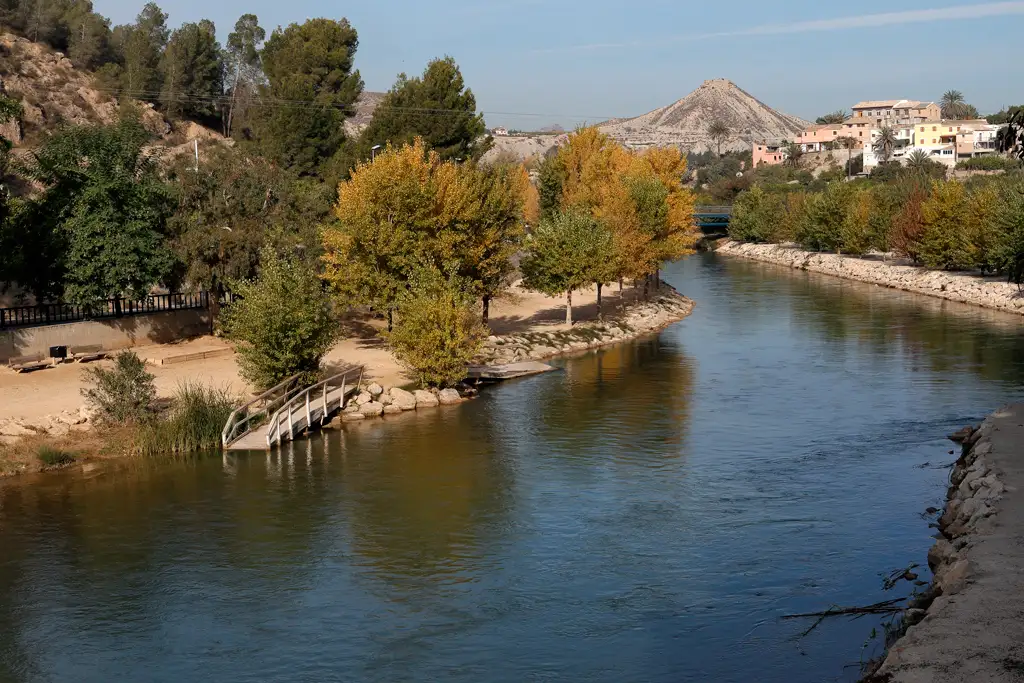
The Segura River as it leaves Blanca