The Secret of Summer-Sleeping Snails
Discover the secret of Murcia's summer-sleeping snails, from their unique survival mechanism and traditional harvest to culinary tips and safety risks.
The relentlessly hot summer
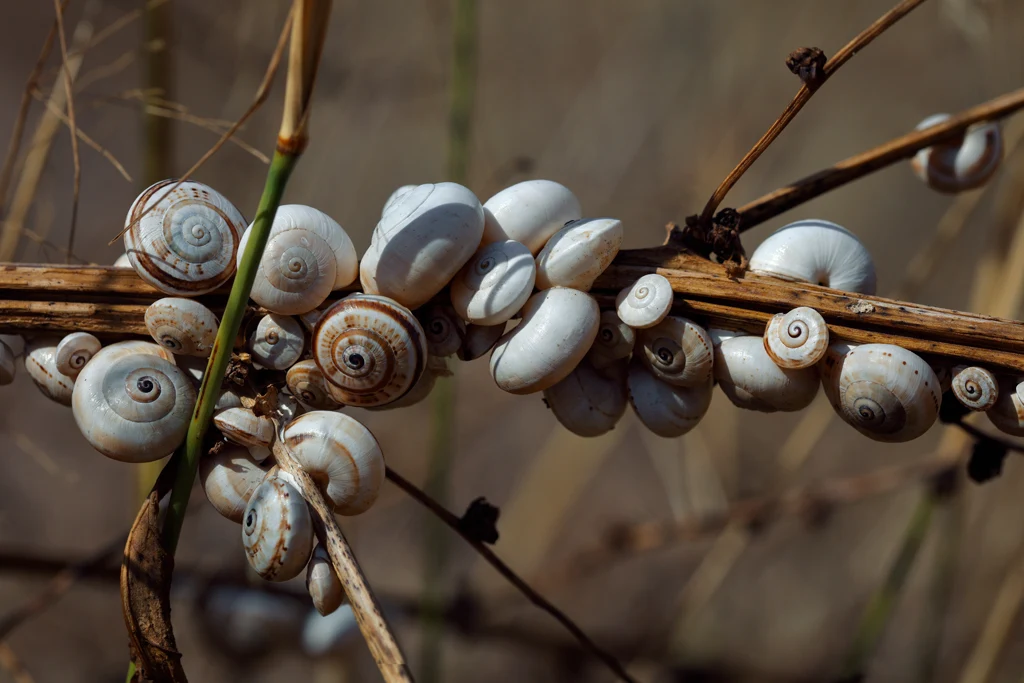
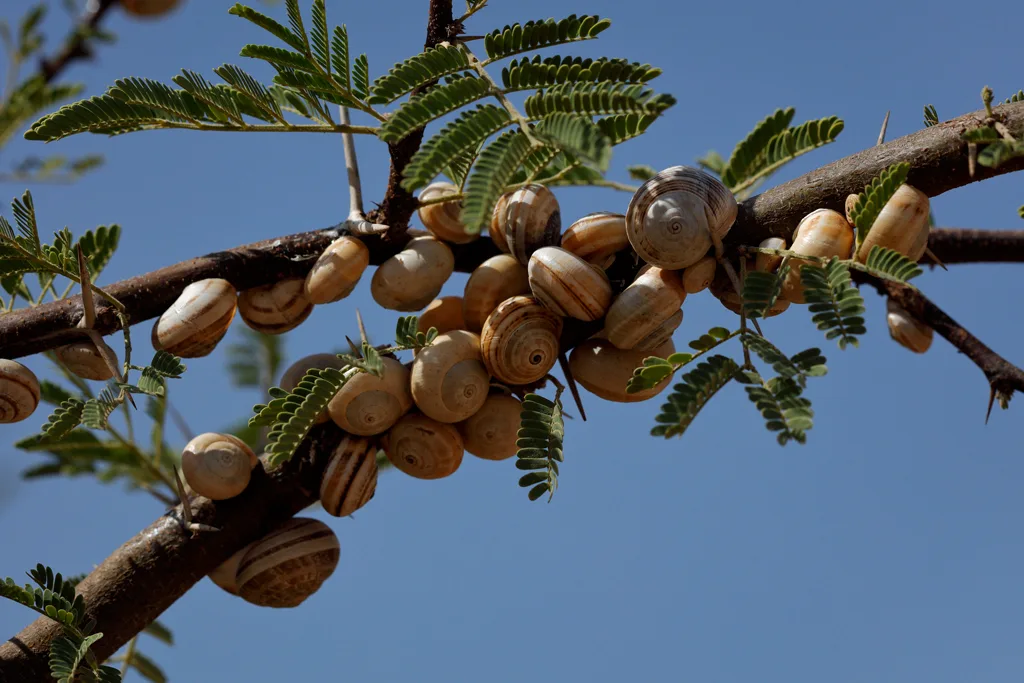
The sun continues to burn relentlessly over the Murcia region. With temperatures hovering around forty degrees, the landscape remains a bone-dry, crackling brown wilderness. Anyone walking through the hills around Santo Ángel or the surrounding fields during this scorching period will see a remarkable phenomenon: bush branches covered in mostly white Serrano snails. At first glance, hanging from a dry branch in the middle of a baking zone seems like pure suicide, but these little creatures know exactly what they are doing.
They are fleeing from the extremely hot ground, which becomes tens of degrees warmer than the air one meter up. By securing themselves higher up, they catch a subtle breeze. They then secrete a special mucus that dries into a hard membrane, the so-called epiphragm. With this, they seal their shell airtight to retain all their moisture and stick themselves tightly to branches or to each other. In this way, the snails go into estivation—a state of rest that can last for months, safely high above ground predators like toads and beetles.
The Traditional Hunt in La Huerta
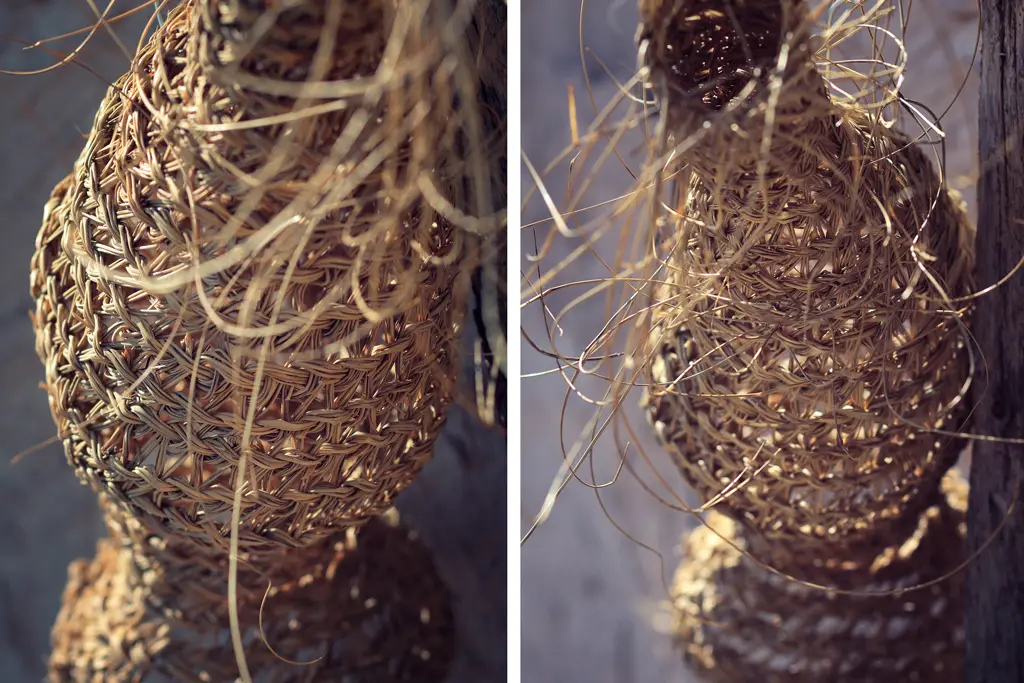
As soon as the first autumn storms break out and drench the bone-dry soil, thousands of snails awaken simultaneously from their estivation. This is the starting signal for a deeply rooted Spanish rural tradition known as "ir a coger caracoles." Armed with mesh bags and wicker baskets, residents head into the "huerta" and mountain slopes early in the morning. Still, these small creatures do not end up directly on the plate.
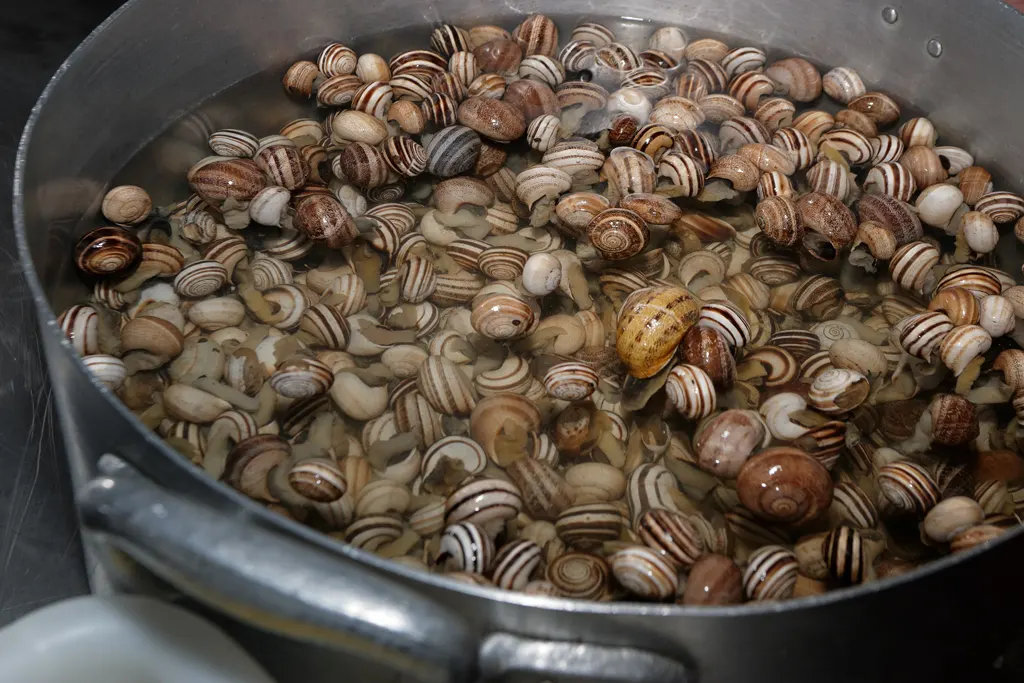
Because wild snails sometimes eat bitter or mildly toxic plants, they must first be purged. During this process, "purgar los caracoles," the snails fast for over a week (7 to 10 days) in a cool place or are fed exclusively flour, thyme, and rosemary. This cleanses their digestive system and gives the meat a deliciously herbal aroma. For preparation, another well-known culinary trick follows, namely "engañar los caracoles." The snails are placed in lukewarm water over a very low heat. As soon as they relax and stick their heads out of the shell, the heat is turned up quickly, causing them to stretch out so they can later be easily eaten with a toothpick.
The Undisputed Flavor Enhancers of Mediterranean Gastronomy
In the gastronomy of Southern Spain, snails are not a side dish, but an essential flavor enhancer that adds a deep, earthy dimension to the "caldo" of rice dishes such as the famous "
arroz con conejo y caracoles". However, not every snail enjoys the same culinary status. The absolute king of the Spanish pan is the "Vaqueta" or "Serrana." This small, pale snail feeds on wild thyme in the mountains and fetches high prices at the local market. For richer stews with tomato, garlic, and almonds, people usually use the larger, speckled Cabrilla, while the modest Caracol Cabañal often ends up in everyday tapas and home-cooked rice.
Warning: The Hidden Dangers of Wild Harvesting
However romantic this traditional search may sound, experts nowadays issue a clear warning about gathering wild snails yourself. The practice is unmonitored and lacks any form of sanitary control. Many people search along irrigation canals, ditch banks, and farmland in the agricultural areas around Spanish cities. However, these locations are regularly treated with powerful chemical pesticides and herbicides. Snails absorb these toxic substances into their tissues through the soil and vegetation. Consuming self-harvested snails from these high-risk areas carries serious health risks. Enjoying this Mediterranean delicacy is therefore safest through controlled farming or authorized vendors.
More information: Mating snails on a rainy day in MurciaAll photographs and text are copyrighted © Fotomatiz. No unauthorized use, copying, sale, or alteration is permitted.