Murcia’s Rain-Drenched Snails
Discover how rare rain showers in Murcia bring out Roman snails, capturing their rich textures and deep regional culinary heritage.A Rare Downpour in an Arid Paradise
In southeastern Spain, where intense sunlight defines the climate for most of the year, Murcia stands as one of the most arid landscapes in Europe. Both plant and animal life throughout this region have developed unique adaptations to endure long periods without rain. Because precipitation is so infrequent, even a modest morning shower triggers a swift and dramatic transformation across the countryside. Tending to outdoor gardens and draining excess moisture from potted cacti to prevent root rot often leads to an unexpected encounter with creatures that normally remain hidden beneath dry earth and shaded crevices.The Glistening World of the Roman Snail
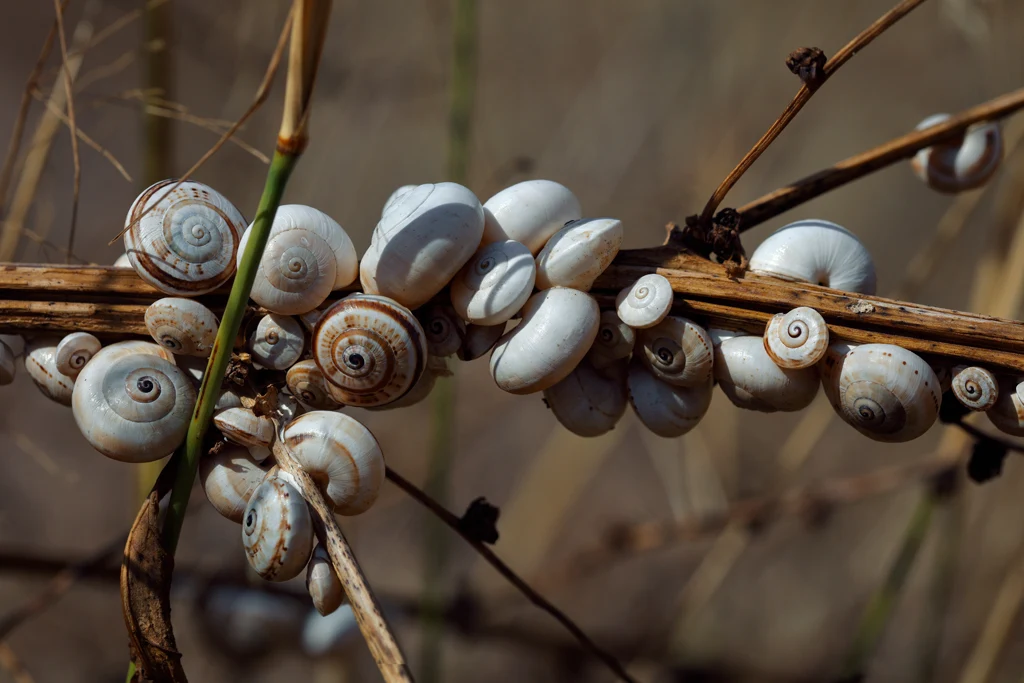
Among the most striking visitors to appear after a soaking rain are large groups of snails, gathering in glistening, sticky clusters across the wet vegetation. While the region is widely recognized for pale-shelled species like Iberus gualtieranus alonensis—locally known as serranas—a heavy rainfall also brings out dark-shelled garden inhabitants like the Roman snail (Helix pomatia). Keeping the snails damp with droplets of fresh rainwater causes their intricate shell patterns and deep golden-brown colors to become strikingly vivid. As the clouds part and warm afternoon light filters through the garden, the combination of rich texture and natural shine provides an extraordinary subject for close-up nature photography.Deep Cultural Roots in Regional Spanish Cuisine
Beyond their ecological presence, these post-rain appearances connect directly to cherished cultural traditions throughout southeastern Spain. Collecting wild snails following a downpour is a long-standing practice closely tied to regional gastronomy. Once gathered into porous mesh bags, the snails undergo a multi-day purging process where they are fed small amounts of flour to cleanse their digestive systems completely. Afterward, they are featured as a central ingredient in traditional slow-cooked rice dishes that highlight seasonal garden vegetables. While visitors frequently classify almost any Spanish rice dish under the catch-all term paella, authentic Murcian recipes featuring snails represent a distinct culinary art form deeply rooted in the history of the local land.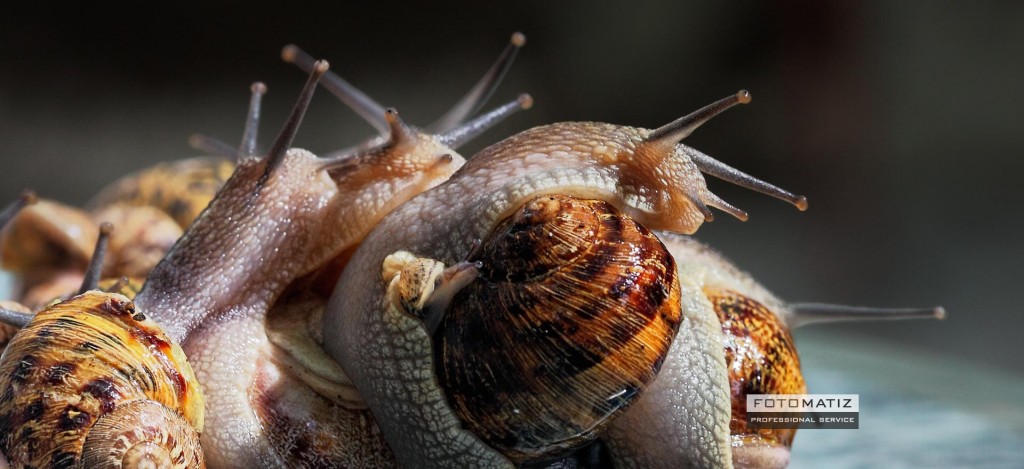
Mating snails on a rainy day covered in slime