Storm Clouds, Mountain Horizons, and a Celestial Display
Read how storm clouds, mountain horizons, and perfect timing came together to capture the rare 2026 solar eclipse in Murcia, Spain.
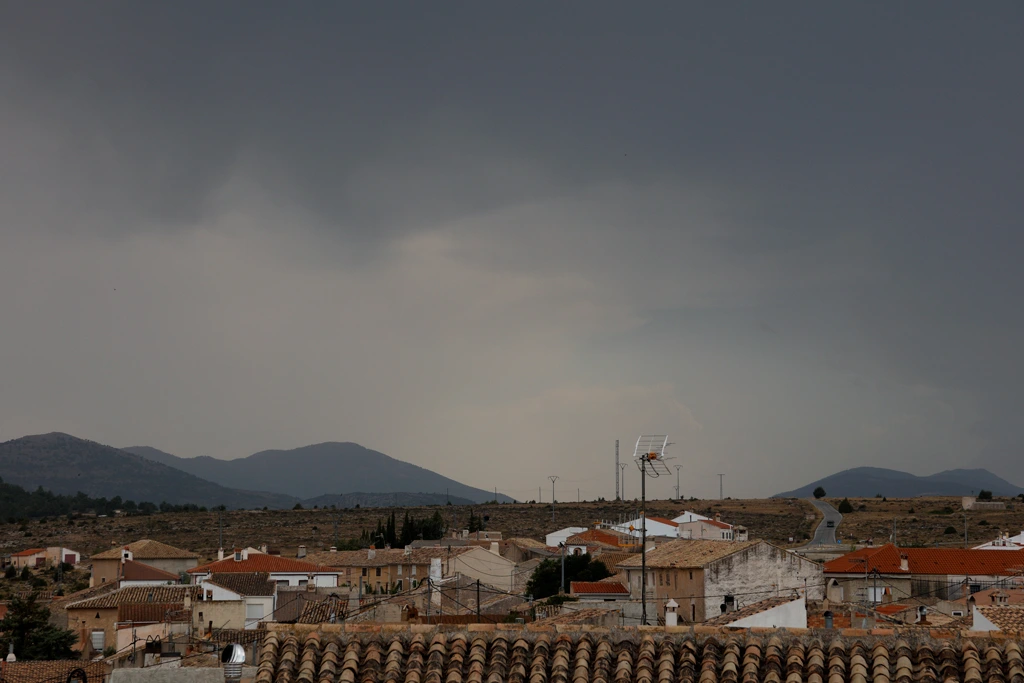
It looked as though the clouds would obstruct the solar eclipse
Anticipation on the Edge of Totality
Rare astronomical events have a profound way of bringing people together, sparking a sense of wonder and shared anticipation. On August 12, 2026, a remarkable solar eclipse swept across the Iberian Peninsula, drawing eyes toward the heavens. Settled in the Region of Murcia, expectations ran high for a dramatic visual spectacle. At this particular latitude, the sun would reach nearly ninety-nine percent coverage—a near-total eclipse that transformed the afternoon light into an eerie twilight.
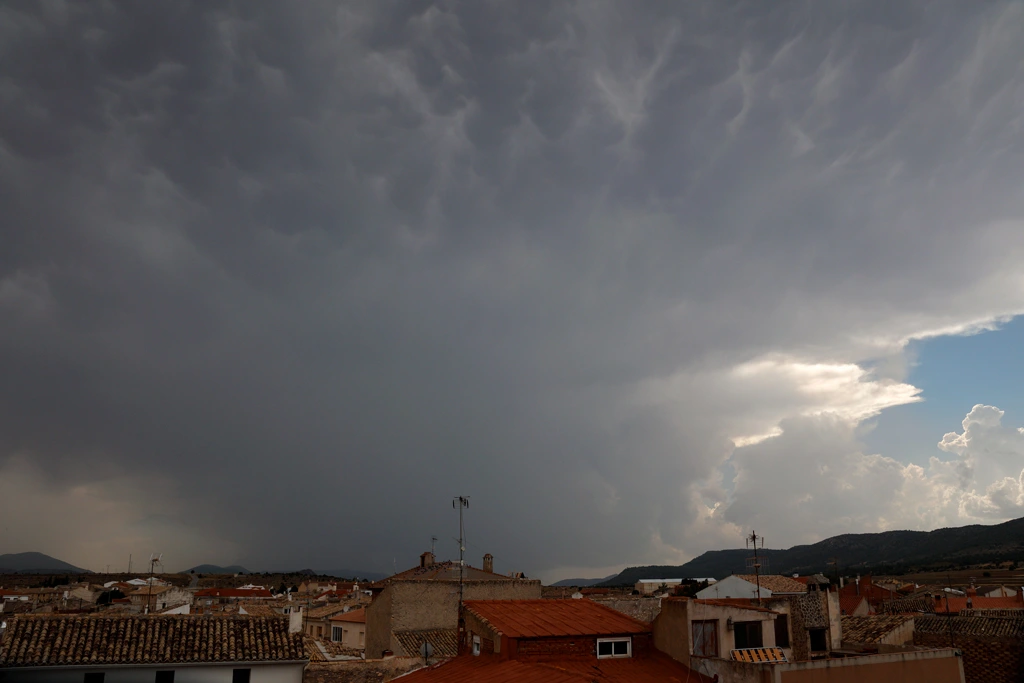
The whole valley was covered in clouds
Because the eclipse fell just short of complete totality, direct viewing required absolute caution. Armed with certified ISO 12312-2 solar observation glasses manufactured right in Spain, observers prepared to watch the lunar disk slowly bite into the sun. Viewing safety remained top priority throughout the afternoon, requiring quick, intermittent glances through protective filters rather than continuous direct gazing to safeguard vision against intense solar radiation.
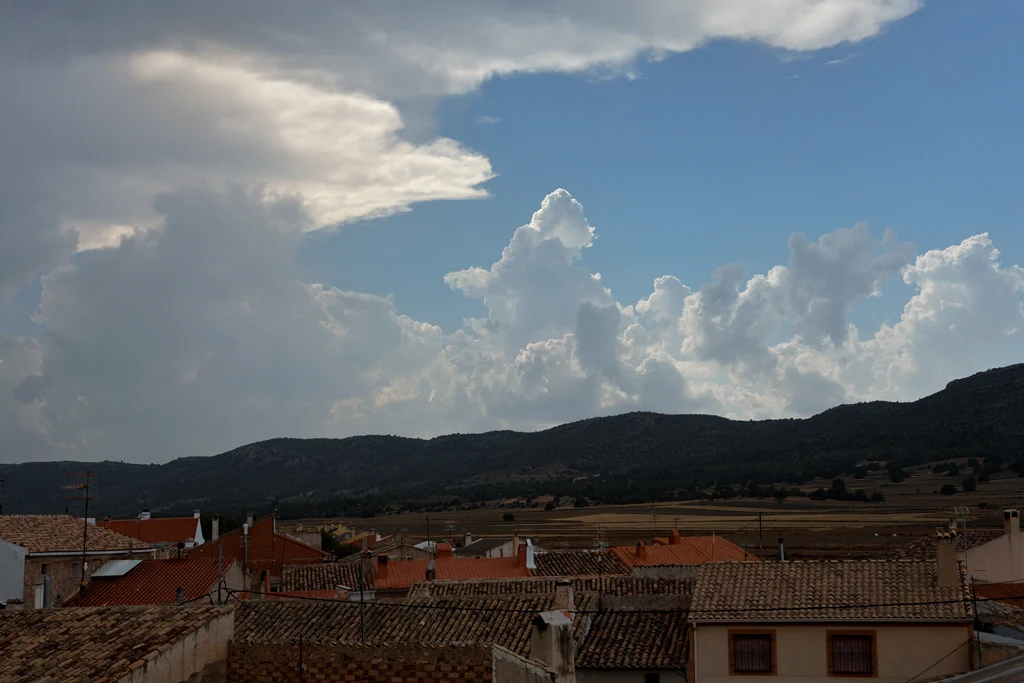
A patch of blue sky gave us hope, blue is where the sun would set
Weather Warnings and Looming Storm Fronts
While summer in southeastern Spain typically brings unbroken sunshine, mountain valleys can occasionally trap volatile atmospheric conditions. Only twenty-four hours earlier, Tuesday had delivered flawless blue skies without a single cloud in sight. By Wednesday morning, however, the official state meteorological agency, AEMET, issued a yellow weather alert for localized thunderstorms lasting until early evening, followed by predictions of dense high-altitude cloud cover.
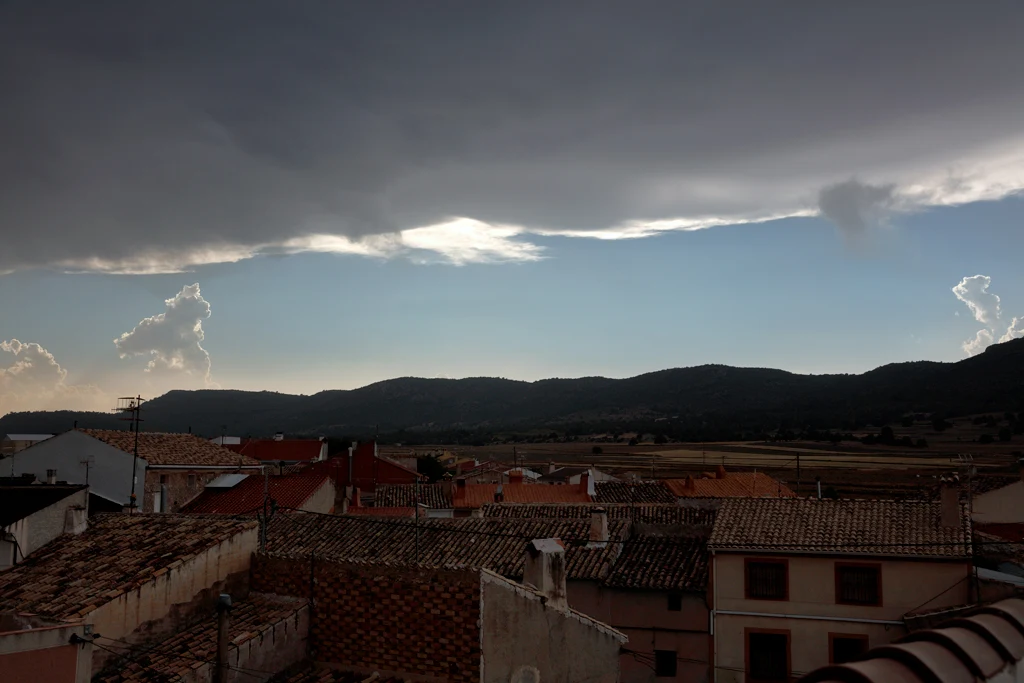
You could see where the sun would emerge from behind the clouds
By mid-afternoon, dark storm clouds drifted into the valley. Heavy winds and rain threatened to obscure the sky completely, throwing the entire observation effort into jeopardy. As the hours ticked by, observers constantly glanced out windows and stepped onto balconies, nervously tracking the shifting atmosphere and wondering whether luck would favor their months of anticipation.
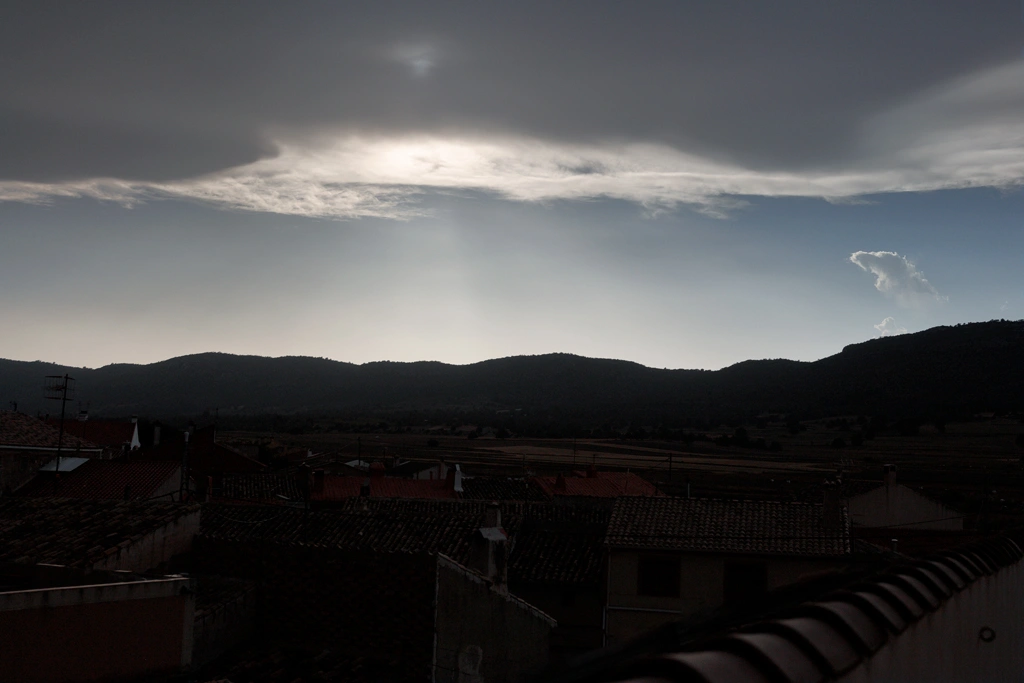
At 7.30 pm, the sun became visible behind the clouds
The Geography of the Mountain Horizon
Local geography played a crucial role in how the afternoon unfolded. Looking outward from the balcony, the horizon is defined by an imposing mountain chain forming the natural border between the provinces of Albacete and Murcia. Atmospheric currents in this valley frequently push lingering storm fronts across these ridges toward neighboring Alicante and Valencia. However, this same mountain range sits directly in the path of the setting sun. If the retreating storm clouds lingered too long behind the peaks, the eclipse would occur entirely out of view behind a impenetrable wall of gray.
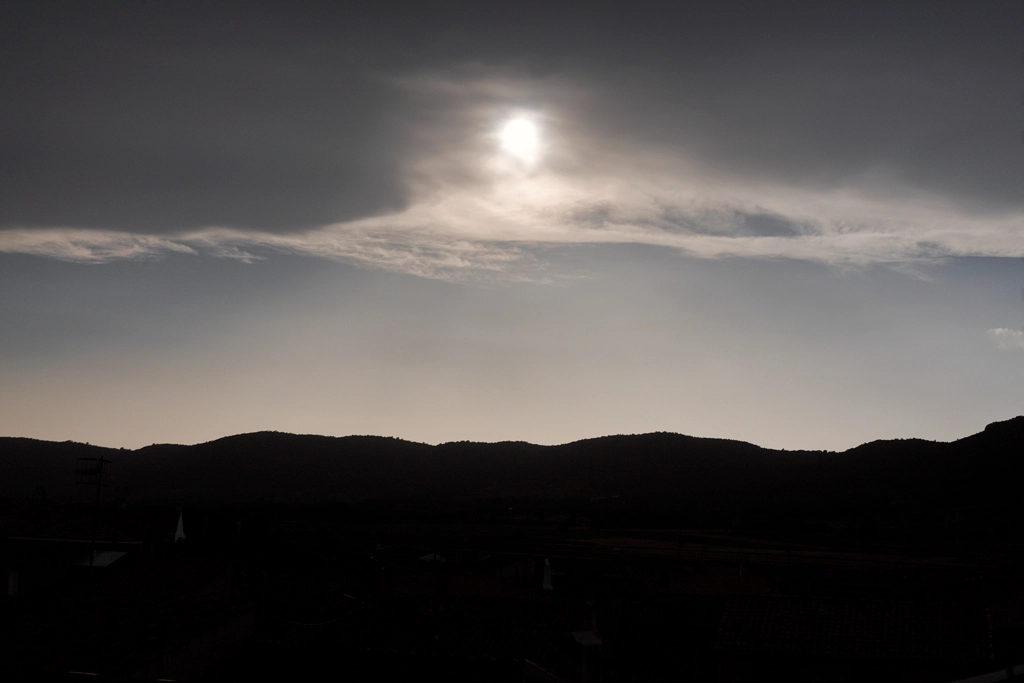
As the solar eclipse began, the sun slowly set
By early evening, a narrow sliver of clear blue sky emerged just above the ridge line, offering a fragile ray of hope. Yet, rising cumulus clouds behind the mountains threatened to seal off the view once more. Timing was equally tight: while the eclipse sequence stretched from early evening until late dusk, the sun was scheduled to dip below the mountain ridge before the final phase concluded, leaving only a brief window to witness the peak alignment.
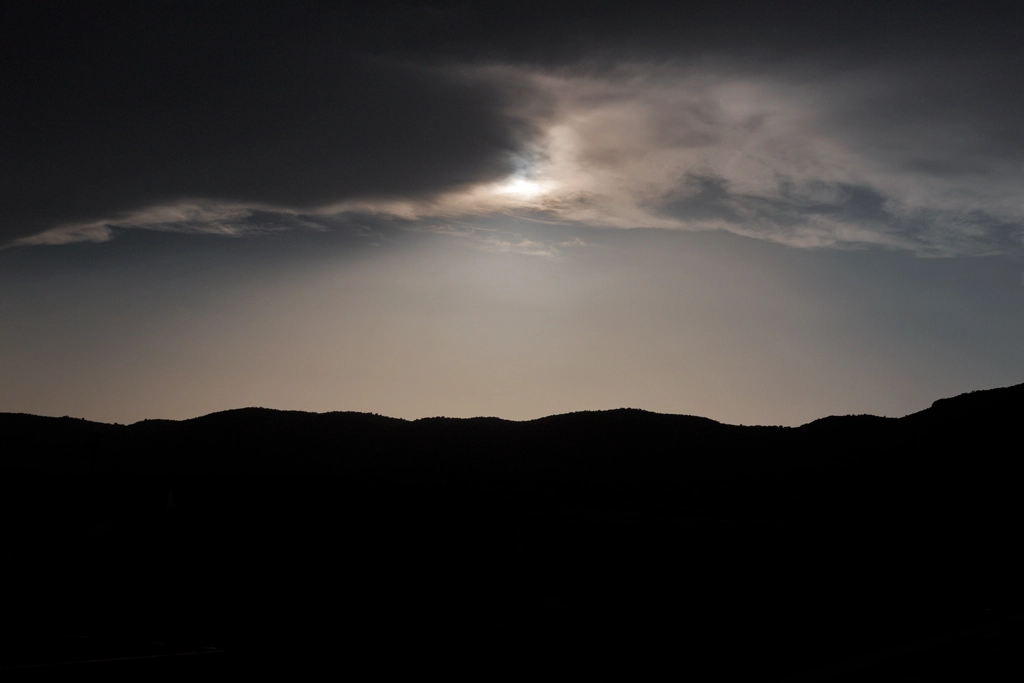
Sometimes a cloud would just drift in front of the setting sun
Piercing the Clouds: The Arrival of the Eclipse
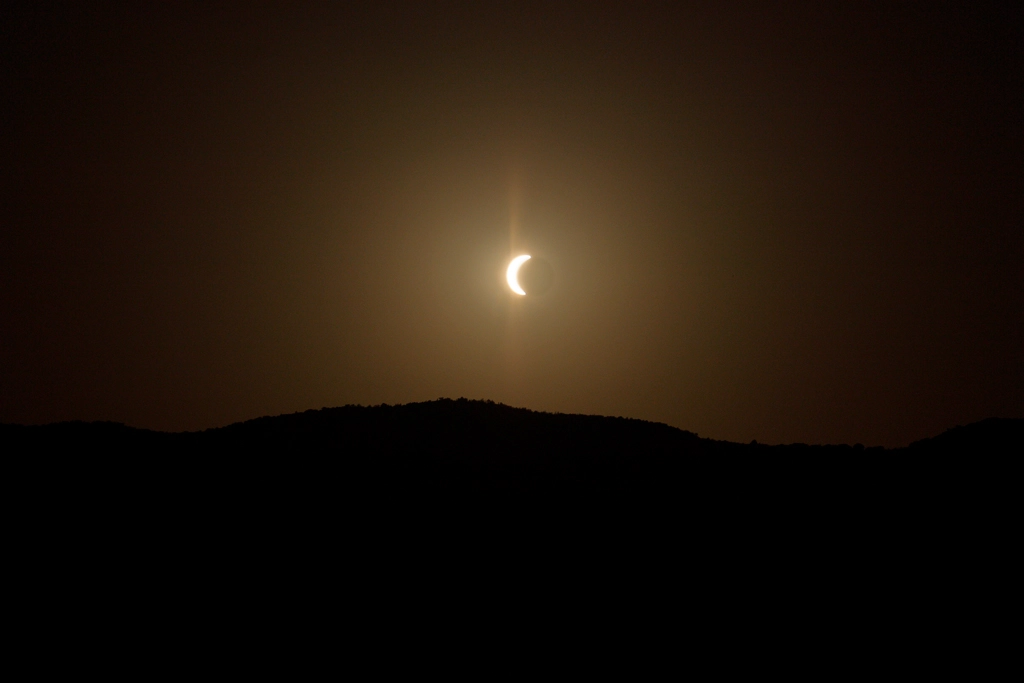
As the official start time arrived, live broadcasts confirmed that the moon had begun its march across the solar disk elsewhere, even while thick clouds temporarily shielded the sun over Murcia. Patience ultimately prevailed. As the sun gradually sank lower toward the horizon, it dipped beneath the primary cloud layer. Through dark solar lenses, the unmistakable crescent shape of the eclipsed sun emerged. A collective sense of relief swept over onlookers.
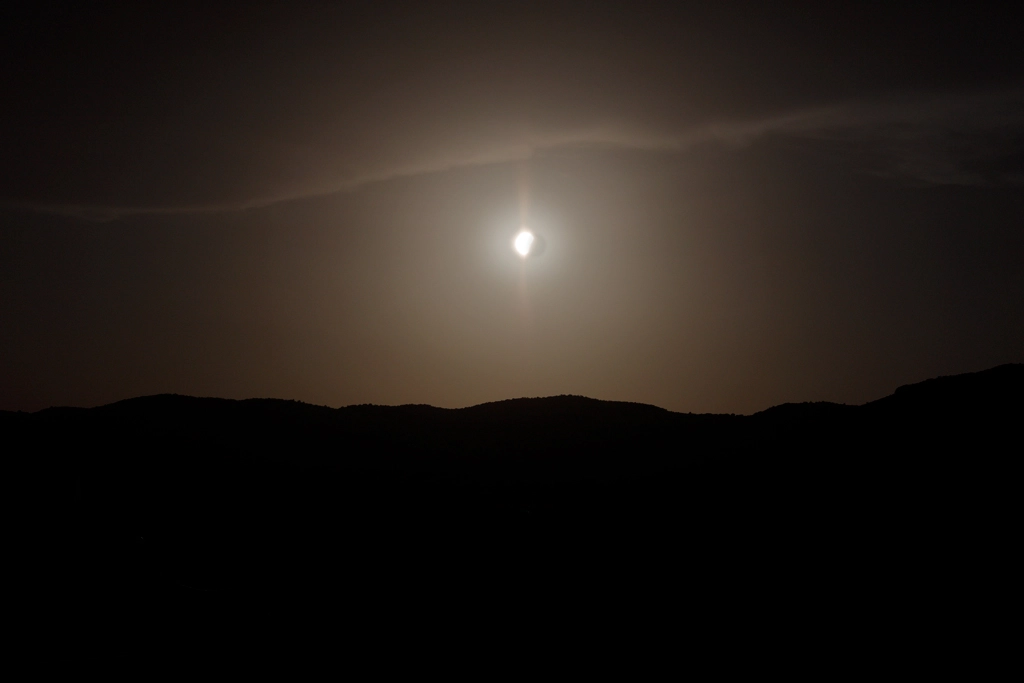
We were lucky – we were finally able to see the solar eclipse
Moment by moment, the moon advanced, casting an unusual, subdued light across the landscape. Ambient temperatures dropped slightly, and the surrounding countryside took on a muted, surreal hue. At maximum eclipse, as the thin sliver of sunlight reached its minimum width, cheers echoed across the neighborhood. For a brief, breathtaking window, the celestial alignment revealed itself in full glory, rewarding everyone who had waited through the stormy afternoon.
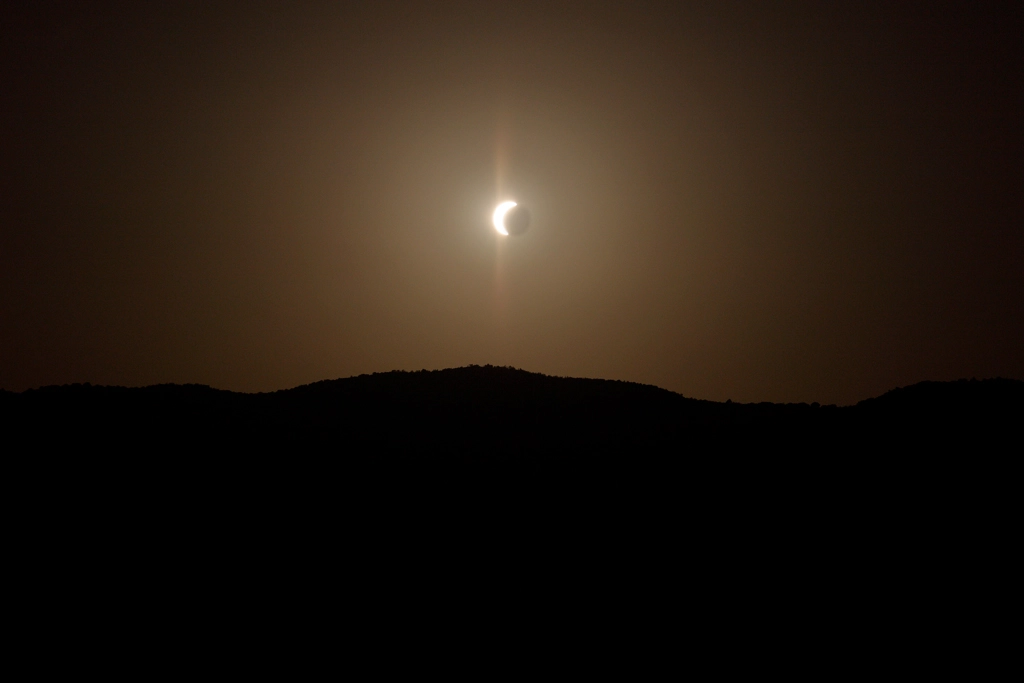
As the sun set, we 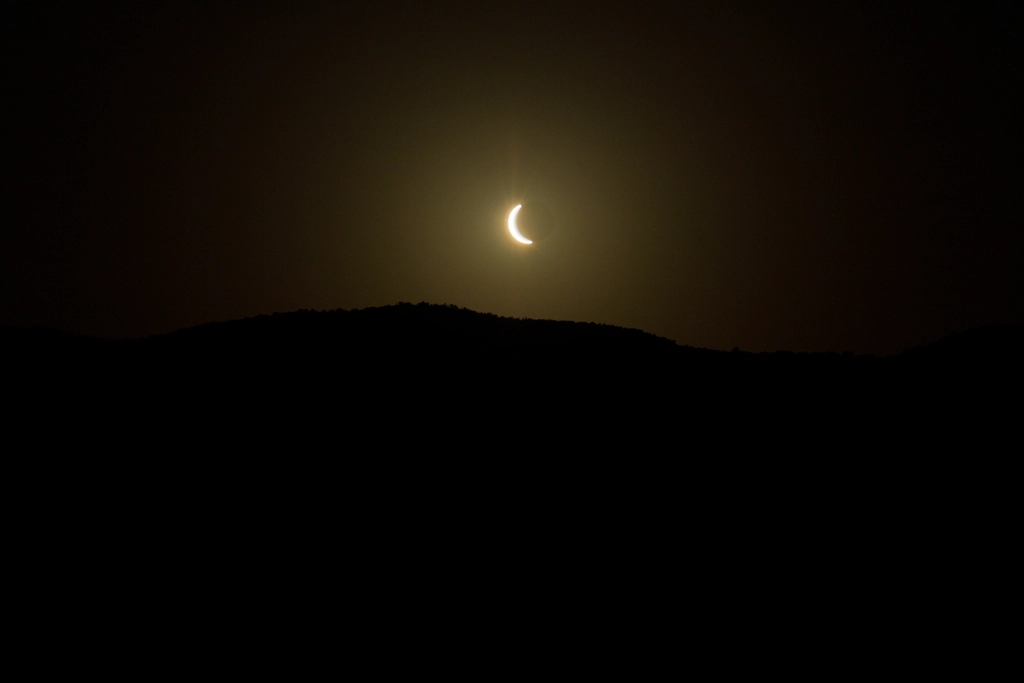 saw the eclipse
The maximum solar eclipse we saw
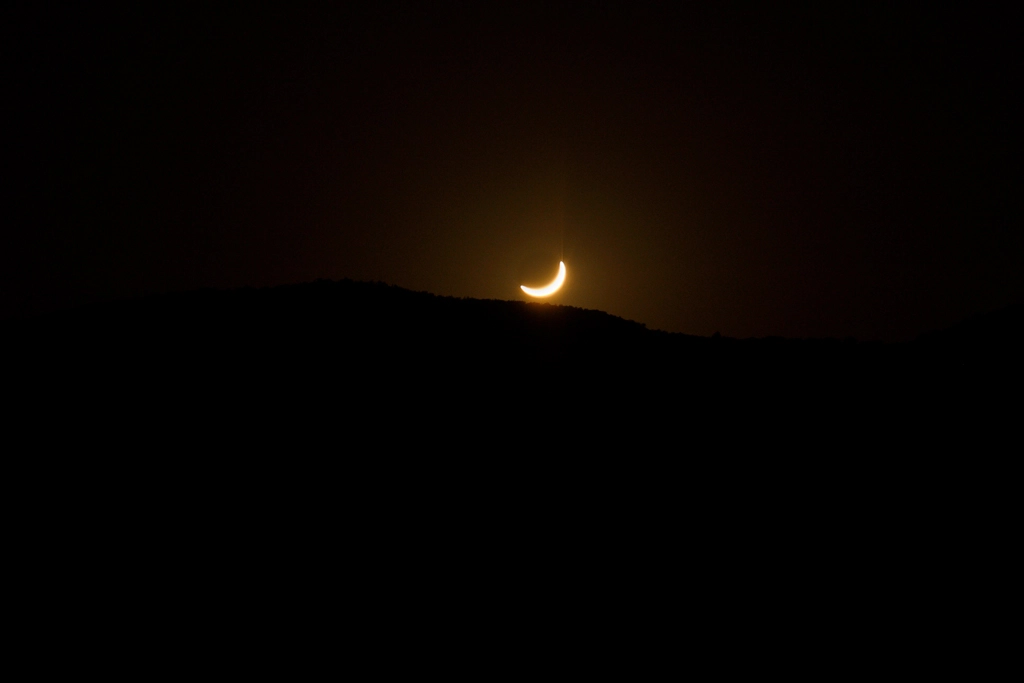
Just before the sun disappears behind the mountains
Double Darkness and a Sunset Grand Finale
Shortly after the peak alignment passed and the moon began its retreat, a humorous trick of light unfolded. As observers watched the sun begin to uncover, the landscape suddenly grew rapidly darker again, creating the illusion of a second, deepening eclipse. For a moment, confusion set in through the dark viewing glasses. In reality, the sun was simply executing its daily descent behind the high mountain ridge, doubling the darkening effect as natural dusk combined with the partial coverage.
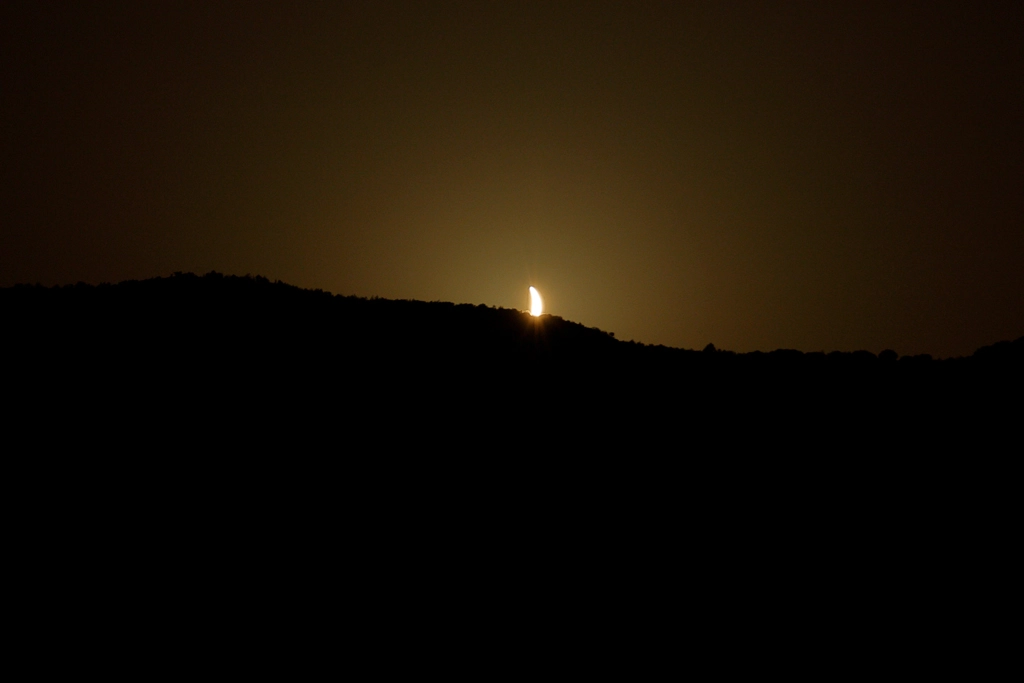
The solar eclipse disappears behind the mountains
Once the remaining solar curve slipped completely behind the peaks, twilight settled over the valley. The day concluded with an extraordinary visual bonus. The residual storm clouds lingering in the atmosphere caught the very low rays of the hidden sun, transforming the evening sky into a brilliant canvas of fiery orange and deep crimson hues. What began as an uncertain day defined by storm warnings ended as a triumphant blend of astronomical wonder and breathtaking atmospheric beauty.
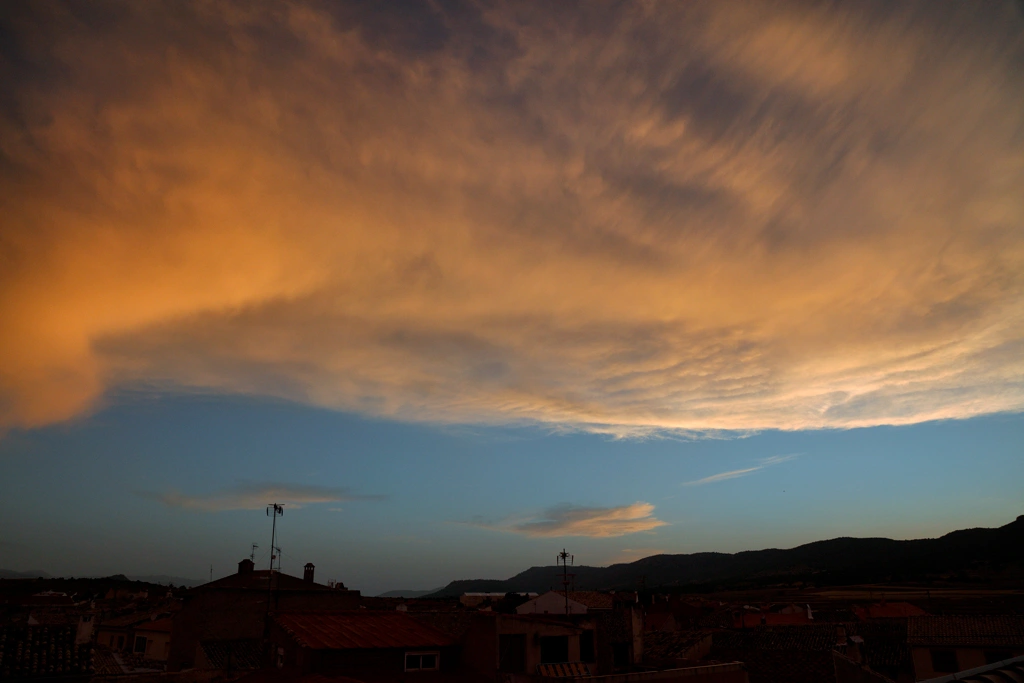
In the end, we’re treated to a magnificent sunset