The Fleeting Beauty of El Valle
Now is the perfect time of year to wander through El Valle (The Valley) Park, where the sun shines brightly and the landscape remains a vibrant, rain-fed green. However, this lush scenery is a race against time, as the impending heat threatens to turn this Mediterranean paradise brown and withered within just a few short weeks.
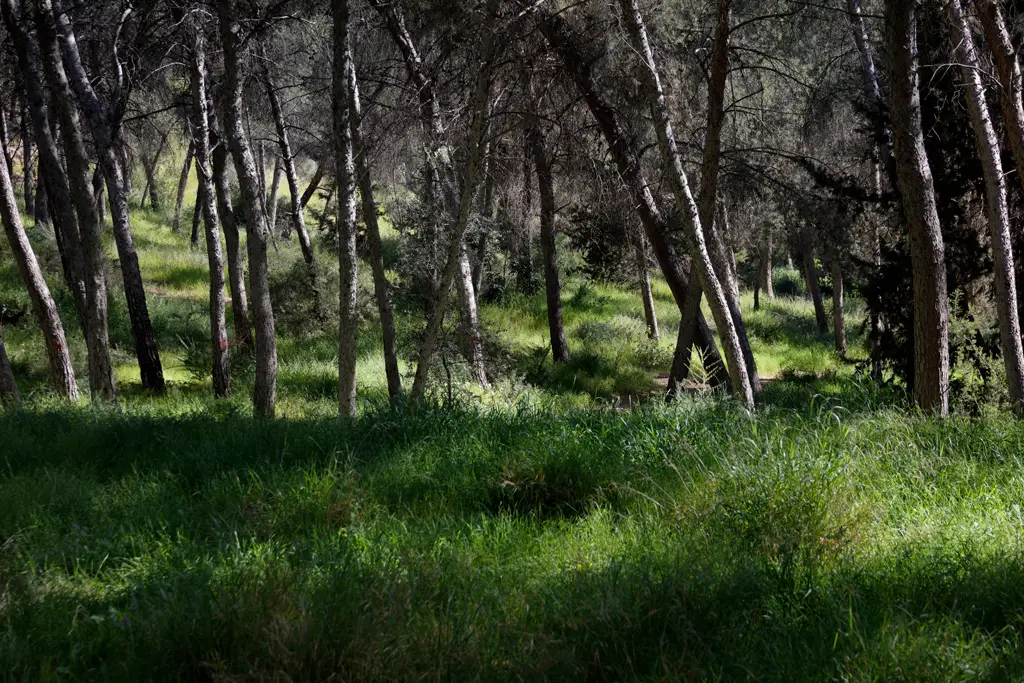
The green pine forest
Capturing the Light Beyond the Golden Hour
Naturally, a camera is an essential companion for such a walk, even if traditional photography wisdom suggests avoiding the midday sun. While self-proclaimed experts often recommend waiting for the soft light of sunrise or sunset, any moment of the day offers its own unique and compelling opportunities for a great shot. I personally find a specific charm in high-contrast images where sharp, piercing light alternates with deep, dark shadows to create striking visual depth. This year, the grass stands remarkably high and the wildflowers create a stunningly colorful tapestry that proves beauty is everywhere, regardless of what the technical rules might dictate.
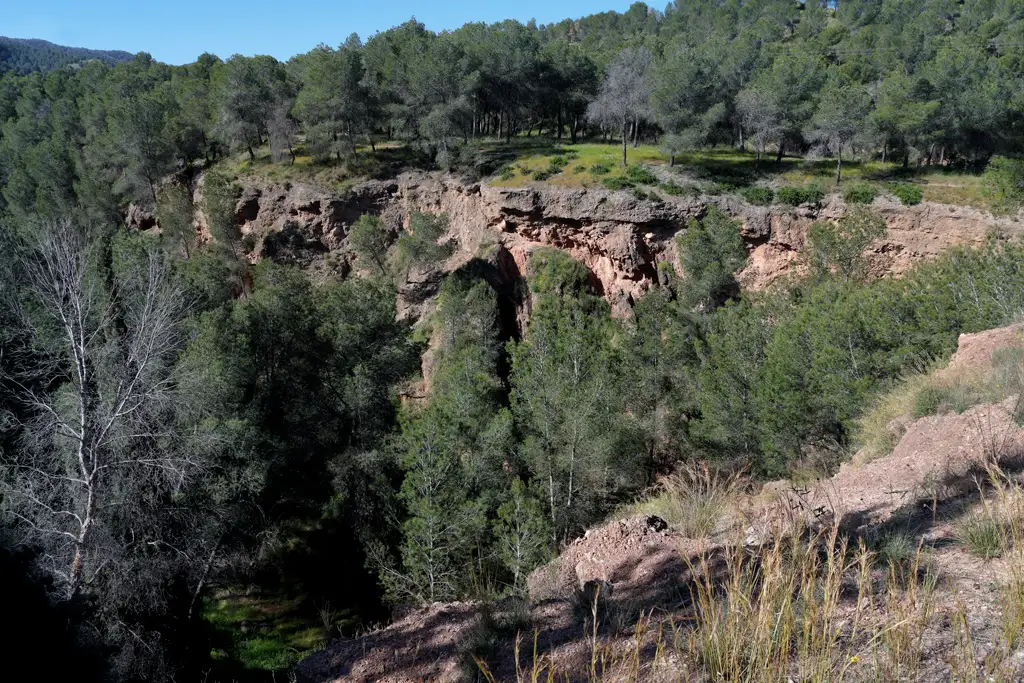
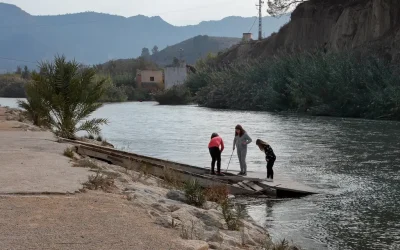
One of the Canyons of the El Valle (the Valley) natural park in Murcia
The Concerning Silence of the Spanish Countryside
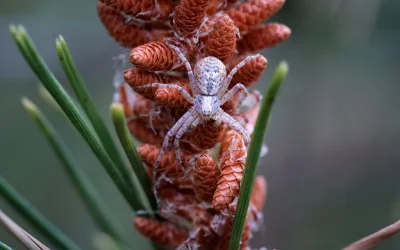
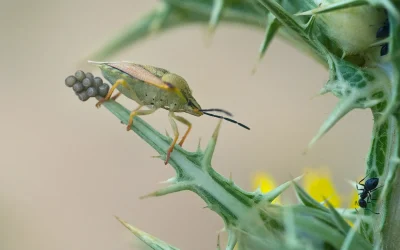
Despite the current visual splendor, a worrying silence has fallen over the park compared to the environment of fifteen years ago. Back then, the air would have been thick with the hum of life, but today one must search desperately to find even a few insects despite the abundant rainfall and blooming flora. This decline has rippled through the entire food chain, making once-common insect-eating birds and bats a rare exception rather than the rule. The reasons for this disappearance are multi-faceted, often tied to the fact that Murcia frequently tops the charts for the worst air quality in Spain due to industrial fine particles and ozone levels.
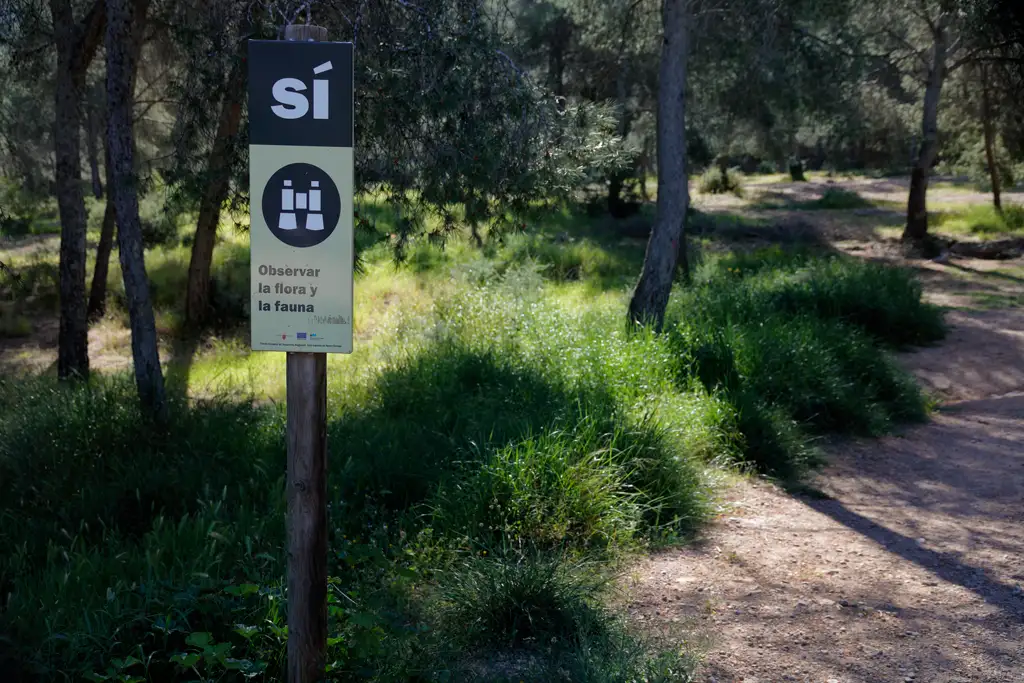
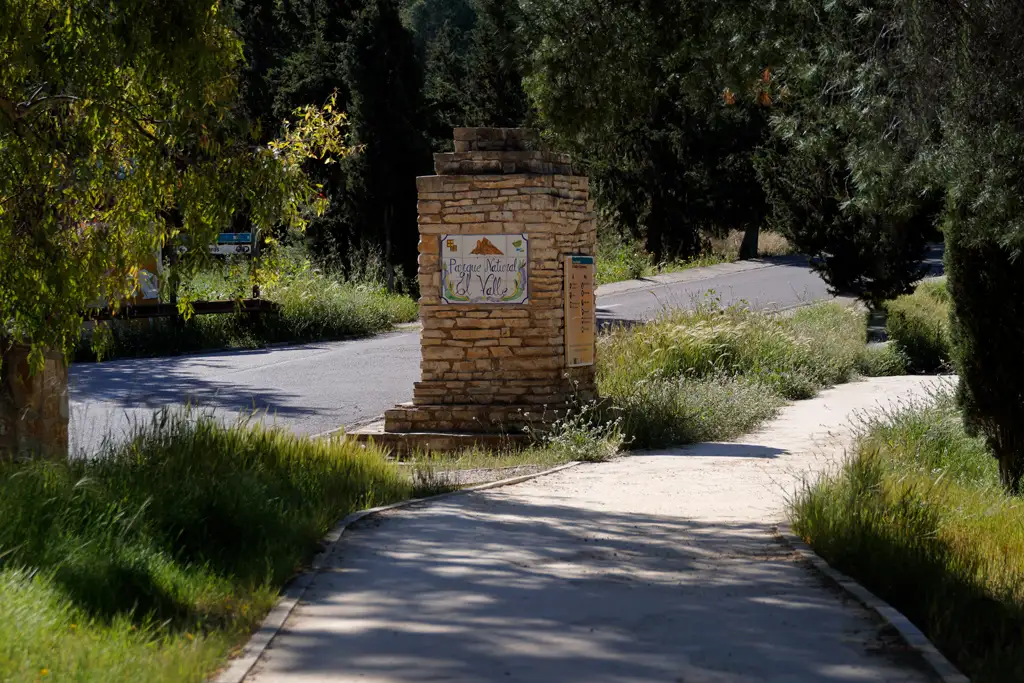
Respect and always follow the park rules
A Broken Ecosystem and the Loss of Natural GPS
Pollution does more than just cloud the sky; it actively disrupts the biological mechanisms of the natural world by altering the scent molecules of flowers. When ozone and nitrogen oxides interfere with these scents, bees and butterflies lose their ability to detect food from a distance, effectively disabling their internal GPS. Furthermore, the loss of physical habitat is staggering as traditional dry-stone walls and wild canal banks are replaced by asphalt and high-rise developments. By encasing traditional irrigation channels in concrete pipes, we are destroying the moist micro-ecosystems that dragonflies and thousands of other aquatic insects require to nest and survive.
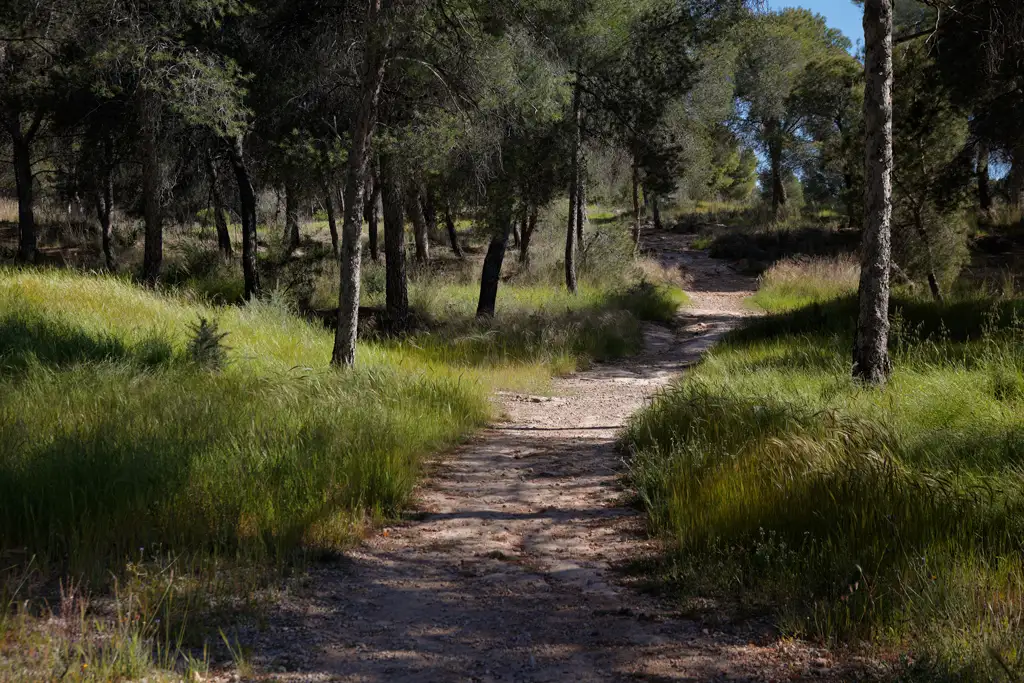
One of the many trails
Murcia as the Epicenter of European Climate Change
The crisis is compounded by the heavy use of pesticides like neonicotinoids, which kill beneficial pollinators and ladybugs just as easily as the pests they are intended to target. Despite the political rhetoric that often ignores scientific reality, Murcia has become the undeniable epicenter of climate change in Europe. Prolonged heatwaves cause insects to dehydrate and plants to wither before they can even bloom, which completely breaks the local food chain. This environmental pressure creates a perfect storm where the lack of nectar leads to mass starvation among species that are vital to our own survival.
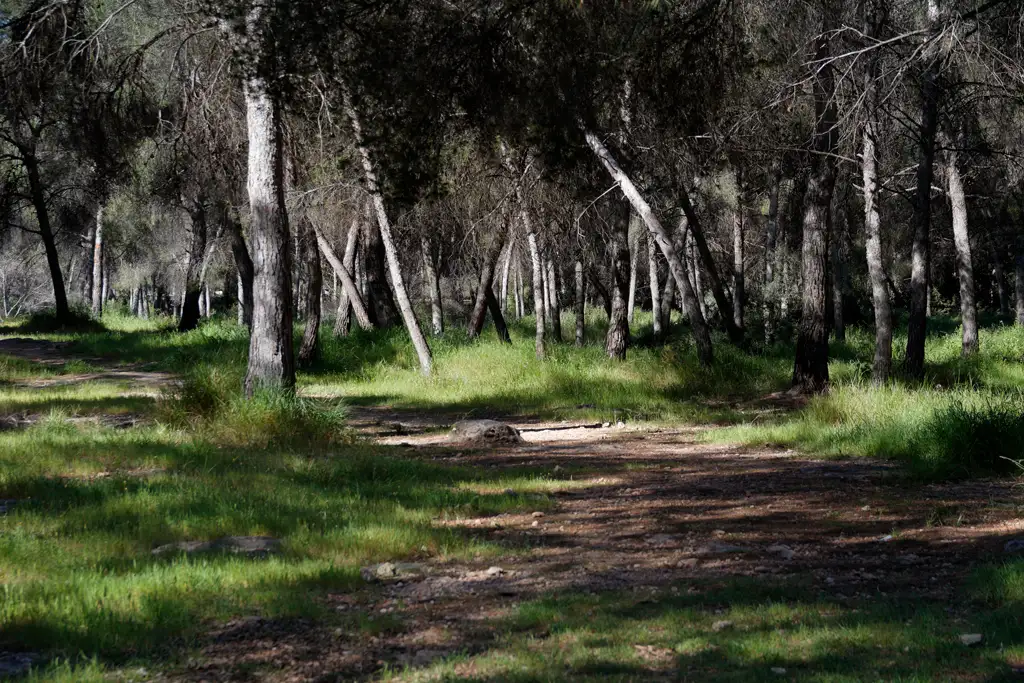
A rare view of the lush green vegetation in the pine forest
Protecting the Orchard of Europe
We must recognize that the “Orchard of Europe” cannot produce food without the very insects that many people find bothersome, as seventy-five percent of our crops depend entirely on pollination. It is vital that we appreciate this green window of time and acknowledge the chronic stress our environment is under before the damage becomes irreversible. Please take the time to visit El Valle this weekend to witness its beauty firsthand and join the conversation on how we can better protect our local biodiversity.
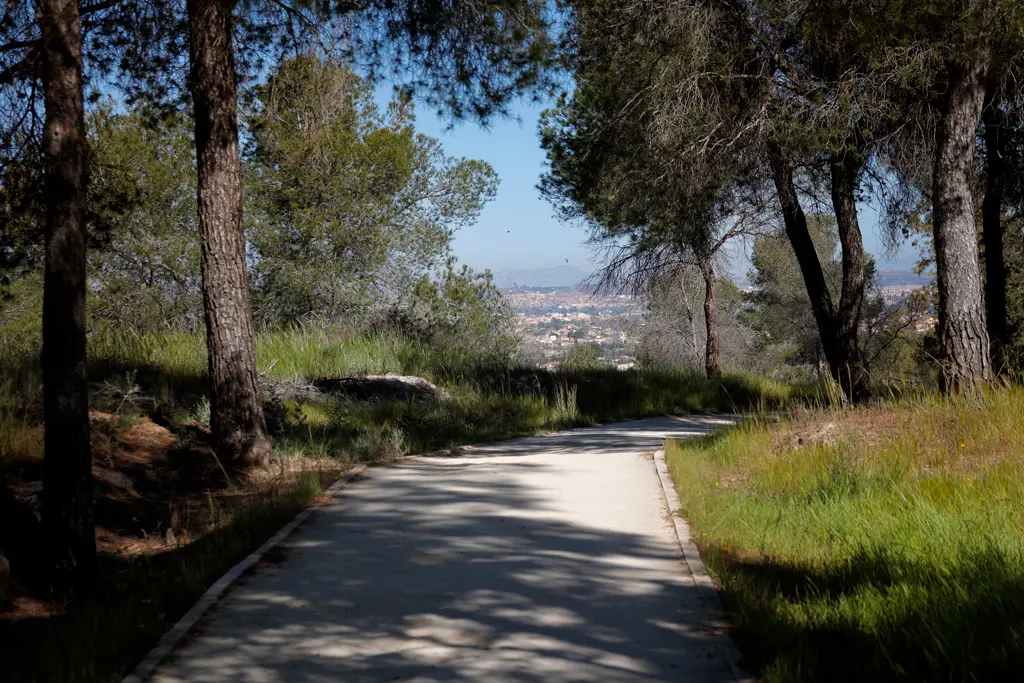
Descending back to Murcia from El Valle park
More information (Spanish)
Corredores para polinizadores
La calidad del aire en la Región de Murcia (2025)
Atlas y Libro Rojo de los invertebrados amenazados de España
Libro Rojo de los Invertebrados Continentales de la Región de Murcia