A Lifelong Journey Through Analogue Photography
Discover how a passion for analogue photography, slide film, and studio work led to a successful commercial photography career in Spain in 2008.
The First Spark: The Childlike Magic of the Mechanical Image
Photography was never a sudden revelation in my life; rather, it was an evolving way of perceiving the world that gradually unfolded throughout my earliest childhood years. My very first memories of creating images return to when I was just four or five years old, standing on a wind-swept beach along the Belgian coast with a simple, compact point-and-shoot camera held tightly in my small hands. The camera belonged to my parents, an uncomplicated mechanism completely free from the intricate technical controls I would spend later decades mastering. It featured no manual aperture rings or variable shutter speeds. The entirety of my interaction with the device consisted of adjusting a small slide switch for film speed, peering through a tiny optical viewfinder, pressing the shutter button, and listening to the satisfying mechanical click followed by the tactile resistance of advancing the film roll manually.
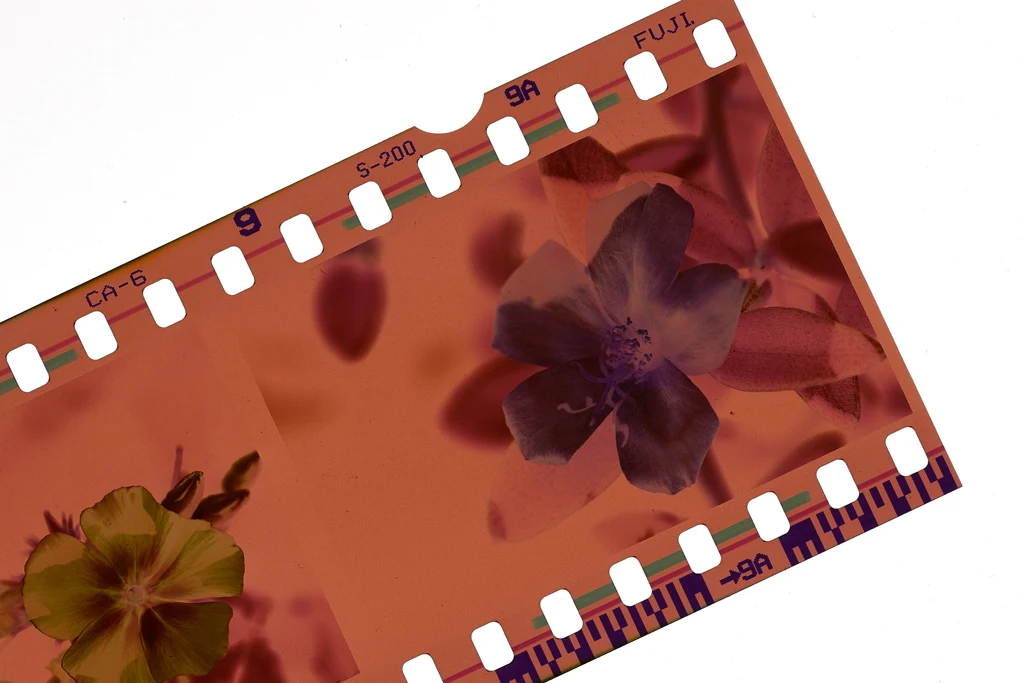
Portulaca grandiflora on film
That rudimentary action contained the pure essence of what would captivate me for the rest of my life. Because the camera belonged to my parents, I rarely saw the final physical prints. I have no clear recollection of how those coastal childhood photographs turned out. They were likely blurry from unsteadiness, overexposed by the harsh glare of the North Sea sun reflecting off the water, or simply out of focus. Yet the actual physical output was secondary to the sense of wonder. What mattered was the magical realization that pressing a button could trap a minute fragment of time, light, and reality inside a small dark box.
My father was an enthusiastic amateur photographer, and during the years following that beach outing, I watched with fascination as he handled his gear. On rare occasions, when circumstances permitted, he allowed me to hold his Leica camera. It felt substantial and impressive compared to the lightweight compact I had used on the coast. Though my access remained brief, those early tactile experiences established the groundwork for a lifelong devotion to the photographic craft.
Studio Foundations: From Child Model to Studio Apprentice
Around my seventh birthday, my intuitive curiosity evolved into a structured learning environment. This transformation was largely set in motion by my uncle, my father’s youngest brother, who operated as a successful commercial photographer. He worked at a high level for prestigious clients, including the renowned publishing house Malmberg in Den Bosch, Netherlands.
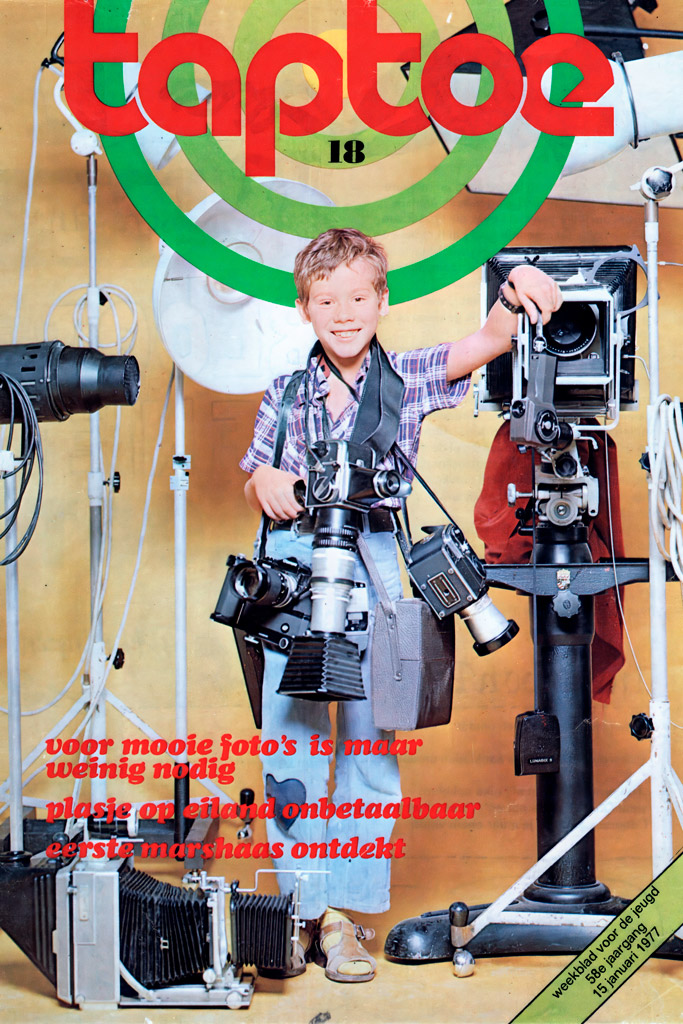
The cover of the January 1977 issue of Taptoe magazine
Malmberg was a powerhouse in educational and youth publishing, producing popular children’s periodicals like Jippo, Okki, and Taptoe. Taptoe holds a cherished position in Dutch cultural history. Created for readers aged eight to eleven, the publication ran from 1953 until 2016, originally launched by De Spaarnestad before moving to Malmberg in 1966 and later to Blink Uitgevers. To illustrate stories and cover features across these magazines, my uncle required a constant stream of young models. Because his own children were too young at the time, I was frequently brought into his studio to model for photo shoots.
What might have felt like a tedious chore to another child became an extraordinary classroom for me. Standing under the bright lights and following my uncle’s directions, I quietly absorbed everything taking place behind the scenes. I observed how massive softboxes, grids, and reflector panels were positioned with mathematical precision to sculpt light, manage shadows, and highlight key features. I began to understand the fundamental principles of optics, the spatial relationship between foreground and background, and the deliberate application of leading lines.
The most lasting lesson from those studio days was the meticulous nature of commercial workflow. For his final client deliverables, my uncle relied on medium-format Hasselblad camera systems. Operating high-end medium-format equipment left no room for error, as improper exposures or missed focus meant significant wasted expenditure. To prevent mistakes, the studio enforced a strict testing protocol.
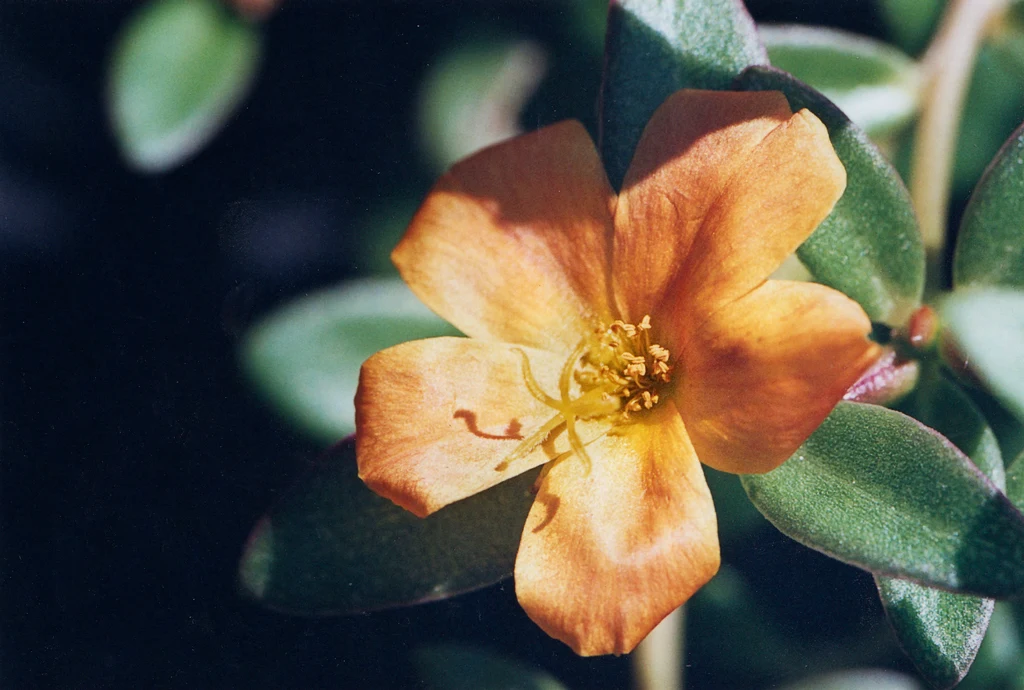
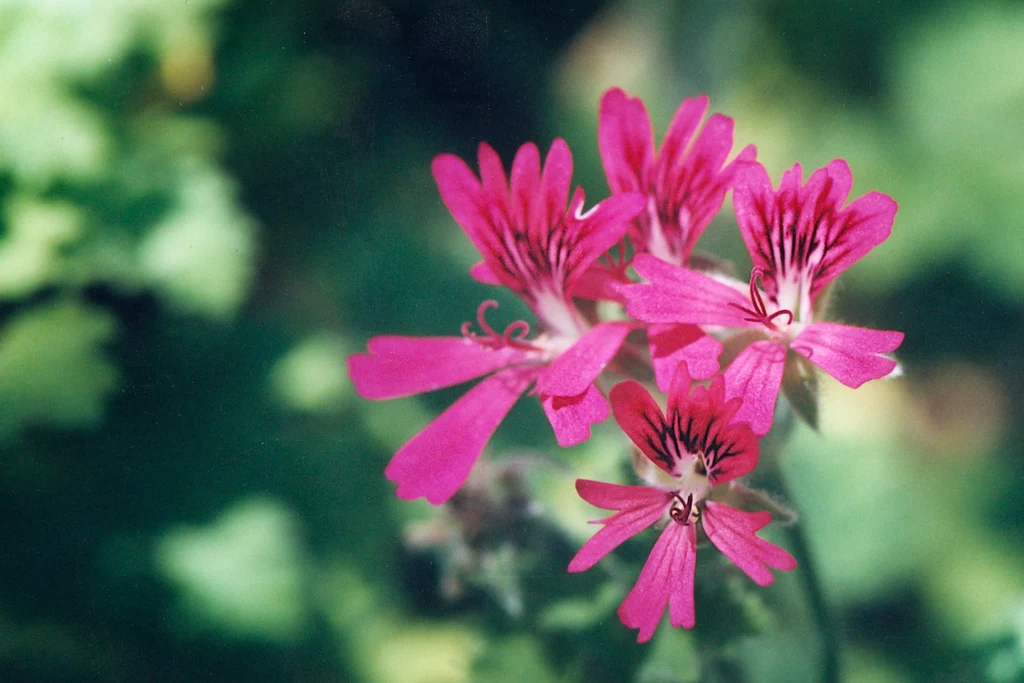
Analogue Macro Photography – Portulaca grandiflora
Before exposing a single frame of expensive medium-format film, the entire setup was tested using 35mm cameras or early Polaroid test backs. These test frames were developed immediately in a small darkroom laboratory built directly into the studio. Only when those test shots demonstrated perfect exposure, shadow detail, and tonal range would my uncle pick up the Hasselblad.
The exposed medium-format roll film was then sent under temperature-controlled conditions to an external professional laboratory for processing and printing. Experiencing this workflow firsthand taught me at a formative age that exceptional photography is not a matter of luck, but the direct outcome of disciplined preparation, optical understanding, and respect for chemical processes.
The Slide Film Era, Bicycles, and Visual Arithmetic
By age twelve, my photographic journey entered a new phase when I saved enough personal money to purchase my first camera. Acquiring my own equipment immediately brought me face-to-face with an economic reality familiar to every analogue photographer of that era: the recurring cost of film stock and lab processing.
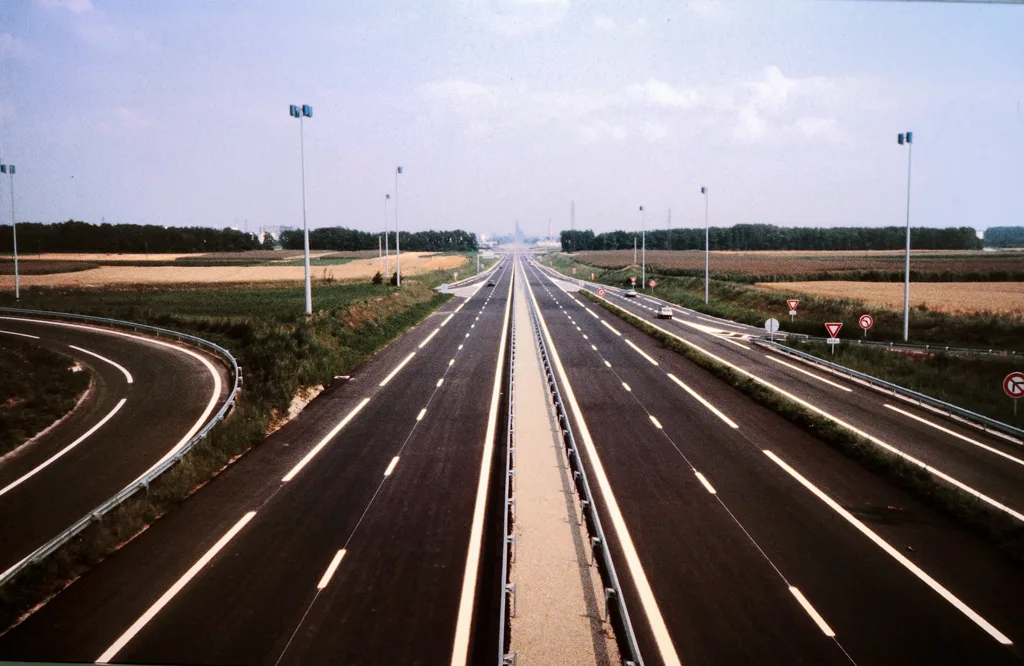
The highway to Strasbourg (1983)
On a modest childhood budget, shooting standard color negative film—which required paying for film rolls, chemical processing, and individual paper prints—was financially unsustainable. To solve this problem, I turned to slide film, also known as color transparency film processed via E-6 chemistry. Slide film offered a far more economical pathway. Because positive transparencies were mounted into small plastic frames to be projected directly onto a wall, there was no need to pay for physical paper prints.
In those days, a 36-exposure roll of slide film, including processing, cost approximately nine Dutch guilders. To keep my camera loaded, I embarked on early entrepreneurial ventures. My monthly allowance was minimal, so I began collecting discarded paper and cardboard throughout my neighborhood. Loading heavy stacks onto a handcart, I hauled the paper to a local recycling buyer who paid by weight. Every kilogram of paper translated directly into frames of film.
Between the ages of thirteen and sixteen, my passion for photography merged with an intense desire for travel and exploration. Together with a close friend who was two years older, I began embarking on long-distance bicycle trips across Europe without parental supervision. Lacking funds for train tickets, buses, or motorized transport, we relied entirely on pedal power, packing camping gear onto our rear bike racks.
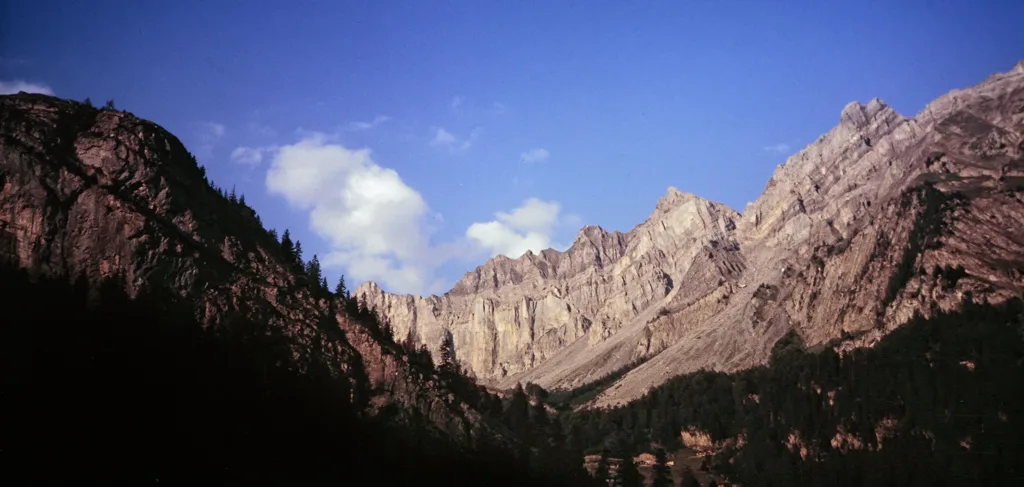
The Sanetsch Pass near “Col du Sanetsch Ort” in Switzerland (1983)
We completed full-month expeditions traveling from the Netherlands through the mountains of Switzerland and into the forests of Sweden. Covering roughly 3,000 kilometers per journey—averaging 100 kilometers a day on heavily loaded bicycles—we slept in a small tent on rural campsites or in farm fields with permission from landowners. To fund these journeys, which cost around 800 guilders per trip for food and supplies, I worked after school and on weekends, washing dishes in a local hospital kitchen and delivering mail.
My camera accompanied me on every kilometer of those European journeys. I documented changing topography, architectural details, and quiet rest stops along country roads. Slide film, however, is notoriously unforgiving. Unlike color negative film, which offers wide dynamic range and latitude for exposure errors, slide film features an extremely narrow exposure latitude. An error of just half a stop in overexposure or underexposure resulted in blown highlights or dense, unrecoverable shadows.
Because we spent weeks on the road and could only afford to process the film upon returning home, I had to wait a long time to see the results. This constraint cultivated intense visual discipline. I learned to evaluate light quality with my eyes, calculate sun angles, anticipate high-contrast situations, and refine composition before pressing the shutter. The thousands of slides produced during those bike trips formed a vast personal archive where I experimented endlessly with framing, shadow interplay, and graphic perspective.
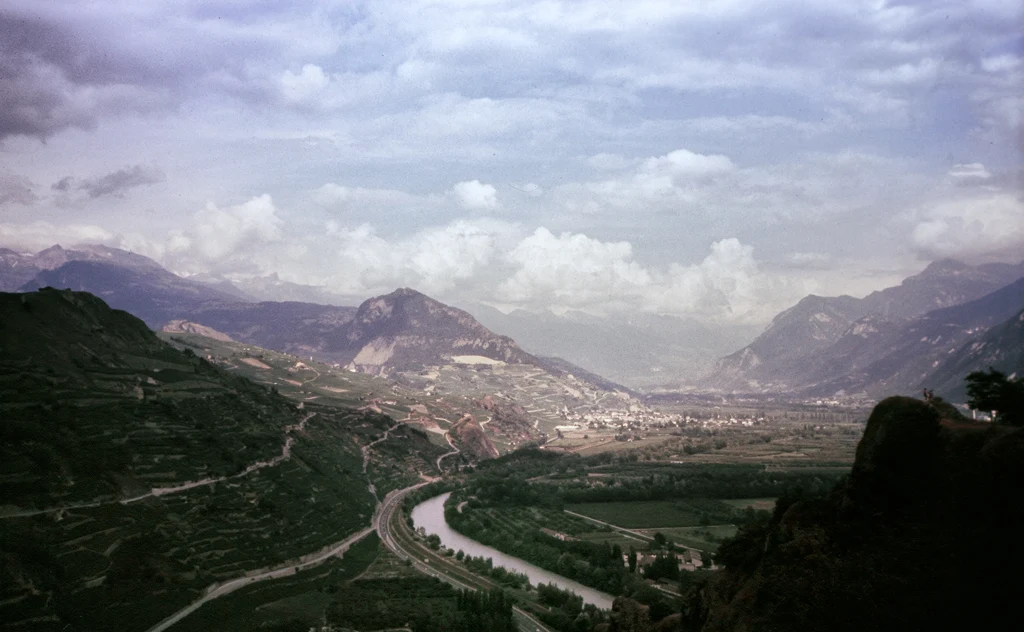
On the way back to Haute Nendaz, with Chamoson in the background – Switzerland (1983)
The Analogue SLR: Optics, Grain, and Formative Style
As I grew older and gained greater financial independence through steady employment, I upgraded to my first analogue single-lens reflex (SLR) camera, a Pentax system. Moving from compact fixed-lens cameras to an SLR marked a major leap forward in optical flexibility and creative control.
I began building a collection of prime lenses, exploring how different focal lengths altered spatial relationships. The wide-angle lens quickly became my primary tool. Its ability to stretch perspective, exaggerate foreground elements, and pull wide environmental contexts into a single frame aligned perfectly with my visual style.
During this period, my focus shifted from slide transparencies toward traditional black-and-white negative film and darkroom processes. Working in black and white forced me to view the world through a different lens, translating scenes not by color contrast, but through tonal values, highlights, shadow gradients, lines, and textures. I experimented with various developer chemistries, learning how different temperature controls and agitation techniques influenced grain structure, edge sharpness, and contrast curves.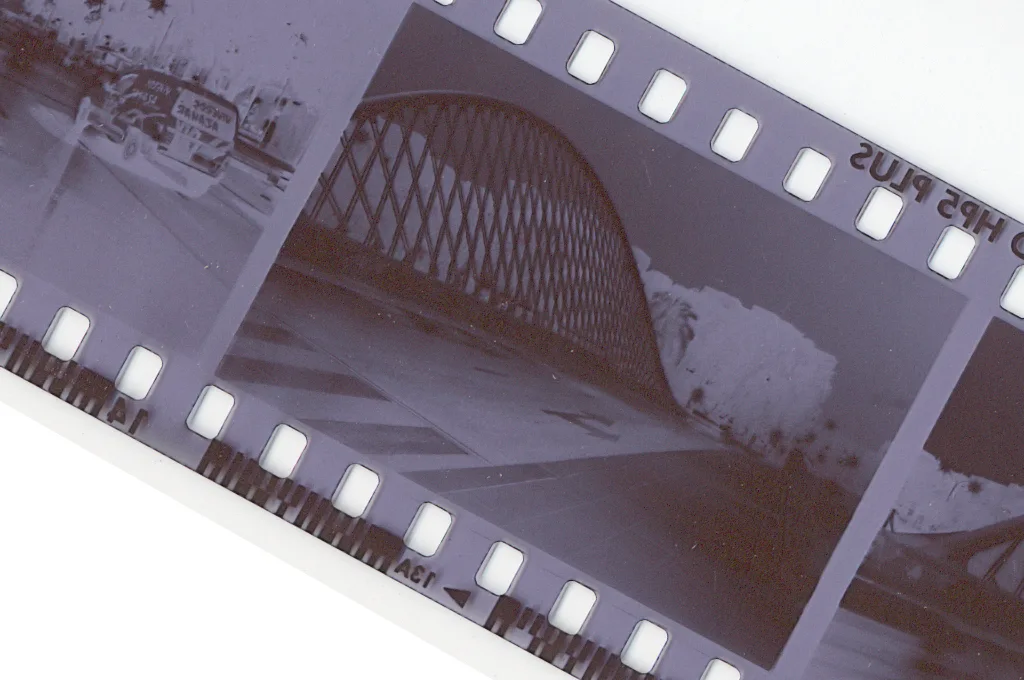
Fujifilm Analog Black-and-White Film
My subject matter broadened as well. I moved beyond landscapes and travel documentation to capture environmental portraits, personal moments with my family, and local events. Friends and acquaintances soon began hiring me to photograph weddings and celebrations. Working candid reportage taught me to react instantly to unfolding moments, anticipate human emotion, and make quick technical adjustments under unpredictable indoor lighting. The analogue SLR became a natural extension of my eye and mind.
The Spanish Transition: Turning Professional in 2008
A major relocation to Spain provided the catalyst for turning my lifelong passion into a full-time career. I moved with my family and initially accepted a corporate marketing position at a regional food manufacturing enterprise. While my primary responsibilities centered on marketing strategy, my background in visual storytelling remained a core personal asset.
A defining moment occurred during a large corporate gala hosted by the company. Borrowing a digital camera from the owner’s son, I spent the day moving through the event, capturing genuine interactions, atmosphere, and key executive moments. After the event, I edited the images into a dynamic multimedia presentation, that was sent to everyone in the company.
The impact was immediate. Recognizing the quality, emotion, and compositional strength of the imagery, the owner made a swift operational decision. He ended the contract with the external agency, noting that internal talent was already available. The company purchased a professional digital Nikon camera system complete with high-end lenses, appointing me to lead all corporate visual communications. From that point forward, I produced product photography for international packaging, industrial imagery inside and production facilities.
This transition marked my entry into professional digital workflows. The immediacy of digital image capture, instant playback for client evaluation, and streamlined post-production made digital systems essential for commercial delivery schedules. My trusted analogue Pentax equipment was stored away, appearing to belong to a completed chapter.
After several successful years managing internal communications for the food group, I took the step into full independent entrepreneurship. In 2008, I established my own commercial photography business in Spain, serving corporate and international clients across product, architectural, and advertising disciplines.
The Analogue Renaissance: Blending Organic Film with Digital Speed
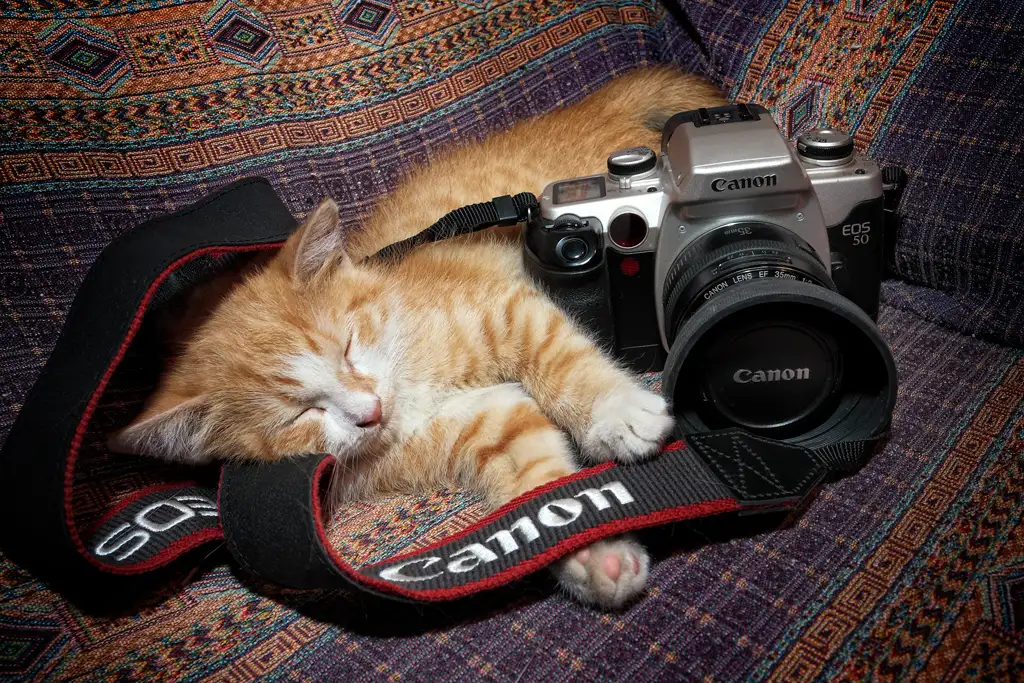
After years of working exclusively within digital environments—eventually adopting professional Canon EOS digital systems for their optical excellence, color reproduction, and workflow integration—I felt a desire to reconnect with the deliberate, tactile nature of film.
Rather than abandoning my commercial infrastructure, I designed a hybrid approach to bridge both worlds. Recognizing that my professional Canon EF L-series lenses featured advanced optical coatings and electronic aperture controls, I acquired late-era 35mm analogue Canon SLR bodies. Because these film bodies shared the same lens mount as my digital cameras, my modern professional glass mounted seamlessly onto analogue bodies.
This setup made it possible to leverage top-tier modern optics while capturing images on traditional silver-halide film stocks such as Kodak Tri-X, Fuji Velvia, and Ilford HP5. Today, this dual approach defines my ongoing practice. Commercial assignments requiring rapid turnaround times, complex multi-exposure composites, and precise digital editing are executed on digital camera systems. Meanwhile, personal artistic endeavors, and creative explorations return to the deliberate rhythm of analogue film.
Beyond the Tool: Light, Vision, and the Craft of Seeing
Decades of working across camera systems—from early 35mm point-and-shoot cameras and medium-format studio gear to high-resolution digital sensors—have shaped a grounded perspective on photographic equipment. Digital sensors and chemical film emulsions are simply two distinct methods for recording light, each offering unique aesthetic characteristics and operational rhythms.
Debating the technical superiority of film over digital, or vice versa, is as unproductive as arguing over camera brands. Throughout my career, I have used equipment from Fujifilm, Sony, Nikon, and Canon. In my current commercial workflow, I favor Canon primarily because its physical control layouts and menu architectures have become second nature through years of daily use. Yet equipment remains secondary; tools are simply instruments in the service of visual intent.
If commercial demands required a complete return to analogue film, the fundamental approach would remain unchanged. Workflows would adapt, production schedules would recalibrate, and the core focus would remain steadfast: observing light, framing reality with intention, and communicating a clear perspective. From early days on the Belgian coast to commercial studios in Spain, the essential truth of the craft remains unchanged. The final image is never defined by the device in hand, but by the vision, discipline, and creative eye behind the viewfinder.