Capturing the History of Cofrusa in Mula
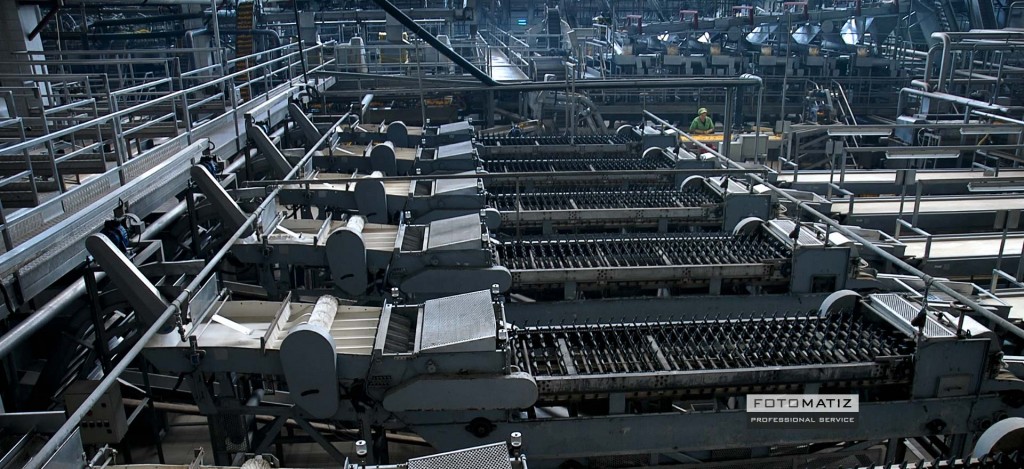
This photograph captures a defining moment from one of my very first assignments (2003) as a photographer. It showcases the sprawling complex of the former Cofrusa canning factory located in Mula, Spain.
A Personal Milestone in Professional Photography
While the physical structure of the factory still stands today as a silent monument in the local landscape, the enterprise itself went bankrupt several years ago. Although I plan to produce a comprehensive documentary report about Cofrusa in the future, this single image serves as a compelling testament to the story of a once-thriving agricultural empire.
The Immense Scale of Mula’s Premier Canning Facility
The image vividly illustrates the sheer magnitude and capacity of the operation during its glory days. At the height of the harvest season, Cofrusa was an economic powerhouse that employed over fifteen hundred people. The operational rhythm within the plant was intimately tied to the seasonal cycles of fruit and vegetable harvesting throughout the region. During these intense production campaigns, the facility operated continuously, processing immense volumes of fresh produce to keep up with demanding agricultural yields and tight shipping schedules.
Global Exports and European Market Reach
A primary key to Cofrusa’s success lay in its strong commitment to international commerce. Rather than relying predominantly on domestic distribution, the company exported the major portion of its production overseas. The United Kingdom became one of its cornerstone export markets, while major retail leaders in Germany, including discount supermarket giants like Lidl and Aldi, regularly distributed Cofrusa products across their vast store networks. This international presence established Mula as a recognized player in European food distribution.
The Legacy of “Las Uvas de la Suerte”
Perhaps the most famous chapter in Cofrusa’s history was its memorable product campaign known as “Las uvas de la suerte”, or the lucky grapes. Capitalizing on the Spanish tradition of eating twelve grapes at midnight on New Year’s Eve, Cofrusa engineered small, convenient cans containing exactly twelve peeled, seedless grapes. This clever innovation sparked nationwide curiosity and generated exceptional sales. While this remarkable success story endured for only a few years, the product remains an iconic example of the company’s inventive approach to food manufacturing.
Preserving Industrial Heritage Through Photography
Looking back at this early photograph, one can appreciate both the historical significance of the facility and the enduring impact of industrial photography. The silent factory walls of Mula may no longer echo with the sounds of production, but photographs preserve the memory of the thousands of workers and innovative ideas that once defined Cofrusa. As I prepare a full feature on this historic site, this initial image serves as a nostalgic reminder of regional industrial greatness.