Reviving a Silken Heritage
Learn how documenting the silkworm lifecycle bridges Murcia’s rich sericulture history with modern medical science and educational photography.
Historical Roots and Modern Medical Innovation
The Region of Murcia in southern Spain holds a rich agricultural history deeply tied to traditional silk production. While global trade shifts and the rapid rise of petroleum-based synthetic fabrics like polyester led to the decline of historical silk mills, the region’s connection to sericulture never entirely vanished. Today, scientific innovation breathes vibrant new life into this heritage. Located close to research facilities such as the IMIDA institute, the area continues producing high-quality silk for groundbreaking European scientific studies, including advanced biomedical applications. In modern Spain, silk has evolved from a historic textile trade into a cutting-edge resource for healthcare research and regional pride.
From Mulberry Leaves to Classroom Learning
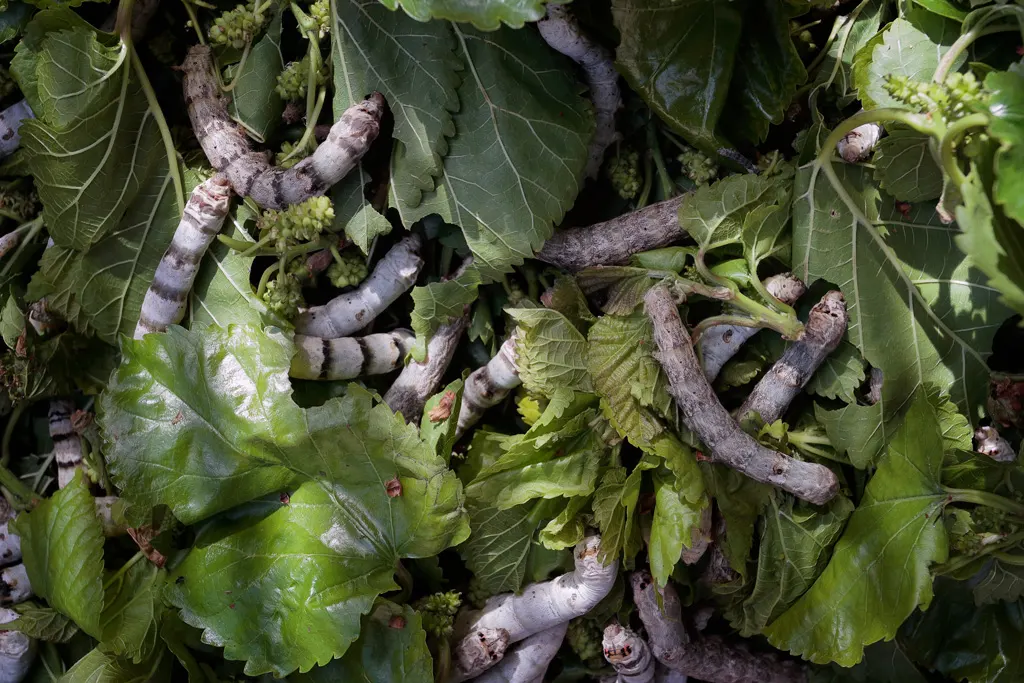
When the local municipality commissioned a dedicated documentary photo project to capture the silkworm lifecycle, the assignment began by picking up a box of active larvae. Mulberry trees (Moreras in Spanish) still flourish across the local landscape as living monuments to the area’s agricultural history, providing an abundant food source. Silkworms also play a unique role in regional education. The Research institute regularly distribute them to primary schools, offering young learners a hands-on opportunity to witness metamorphosis firsthand while developing empathy and care taking responsibilities for living organisms.
Mastering Macro Techniques with Dynamic Subjects
Translating this natural process into compelling educational visuals required thorough research into insect biology and photographic techniques. Although silkworms seem tranquil, they move with surprising speed while feeding, creating narrow opportunities to achieve precise focus and balanced composition. Using a dedicated one-hundred-millimeter macro lens introduced specific technical hurdles, as getting too close often cut off parts of their elongated bodies. Success relied on patient observation, learning to anticipate subtle shifts in movement, and adjusting angles to highlight tactile textures. The resulting photo series successfully met municipal goals and now enriches educational publications across regional schools, bridging historical heritage with modern visual storytelling.
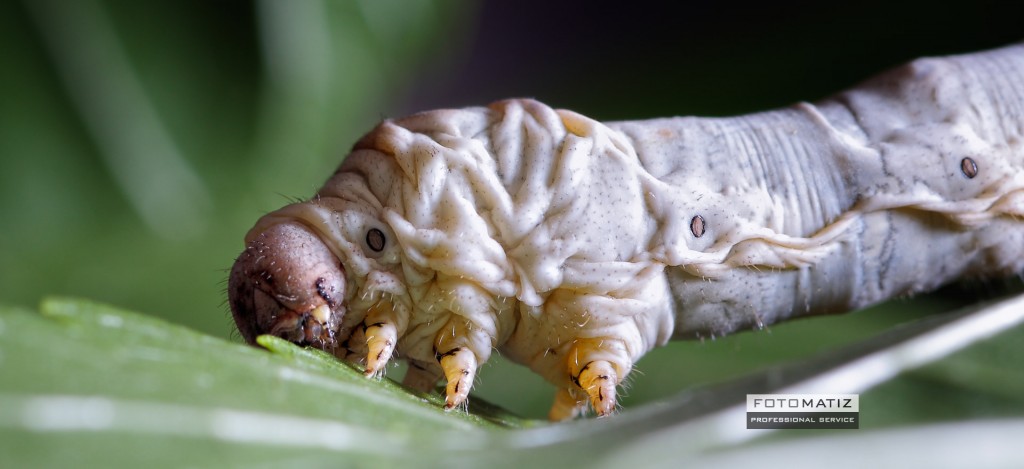
A silkworm photo from the silkworm 2011 project.