The Miraculous Legend of La Fuente Santa
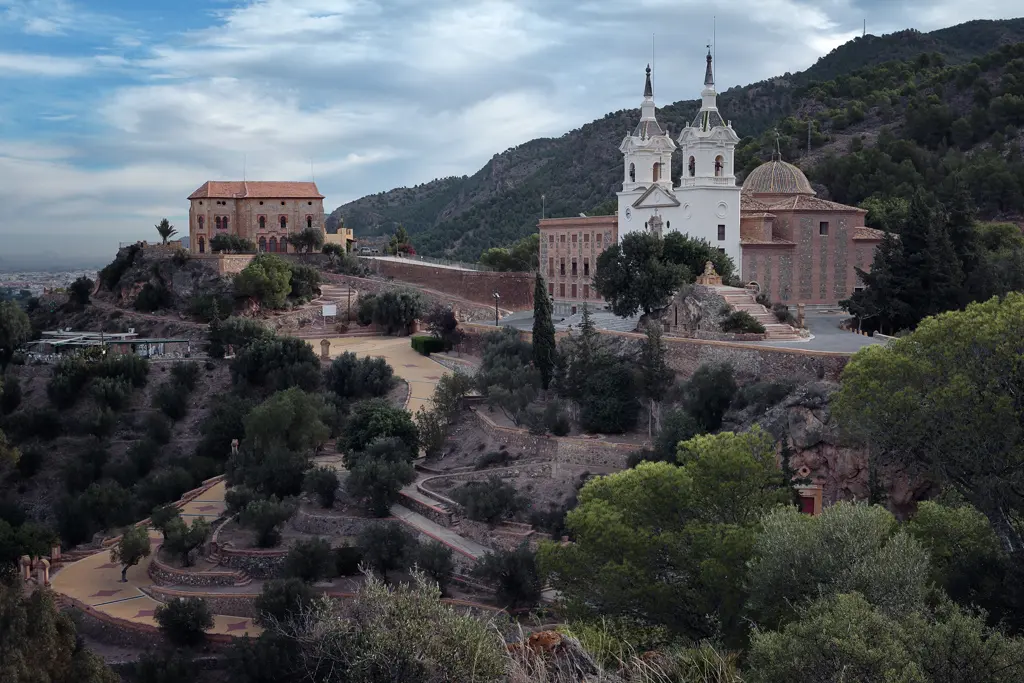
Nestled along the verdant foothills of the El Valle y Carrascoy natural park in the Murcian district of Algezares stands the magnificent Santuario de la Fuensanta. Having recently contributed photographic work to a comprehensive historical study of this sacred complex, capturing its timeless architecture and tranquil mountain setting offers a profound appreciation for its deep roots in regional identity. The origin of this sanctuary is intertwined with a captivating medieval legend. According to centuries-old tradition, the Virgin Mary appeared on this rugged mountain slope, causing a natural spring to miraculously burst forth from the dry earth. Attributed with extraordinary healing powers, this water source earned the name La Fuente Santa, or the Holy Spring, ultimately lending its title to both the sanctuary and the virgin revered here.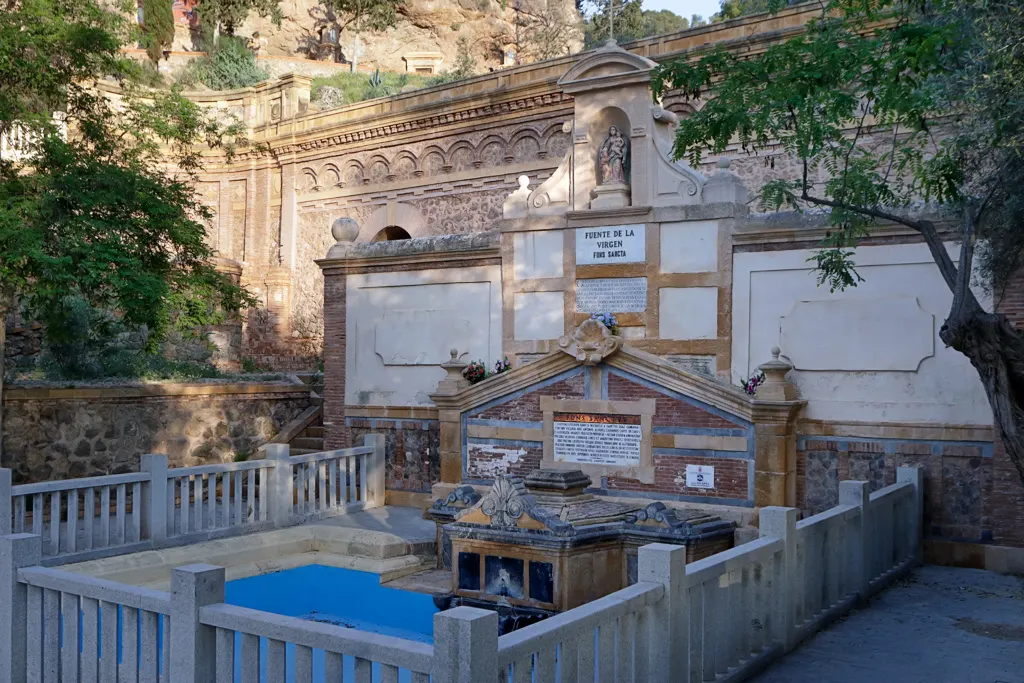
The Holy Spring
Historical documentation regarding the Holy Spring dates back as far as 1356, testifying to its longstanding reputation as a place of spiritual refuge. By 1578, local authorities began enhancing the natural surroundings to accommodate the growing number of visitors. Under a renovation project likely designed by master architect Cambrón, a tree-lined promenade was planted and an elegant Renaissance facade was erected around the spring. The structure featured a prominent niche housing a stone sculpture of the Virgin and Child, resting above a base carved with lion heads from which the miraculous water flowed. For centuries, pilgrims trekking up the mountain path rested beside these cool waters, filling glass vials with the sacred liquid to bring comfort and hope to the sick back in their home villages.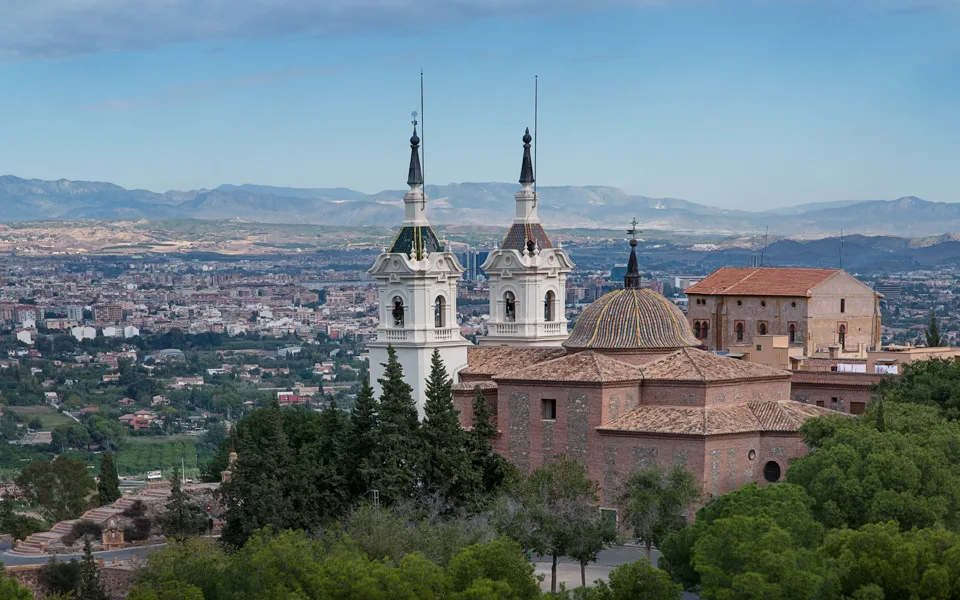
Historical Foundations and the Construction of the Baroque Temple
The documentary paper trail surrounding the Santuario de la Fuensanta reveals a rich administrative history alongside its religious lore. The earliest official record mentioning the site is an act from the Municipal Council of Murcia dated February 19, 1429, which registered a property donation to a local farmer named Pedro Busquete, granting him the orchard adjacent to the spring of Santa María de la Fuen-Santa alongside water rights. A century later, an inventory compiled on October 13, 1522, by Sanctuary Commissioner Rodrigo Junterón described a modest hermitage bridging Christian and Moorish architectural influences, housing a central altarpiece depicting the Nativity of the Virgin Mary alongside a crowned wooden statue. By the late seventeenth century, the surge in regional devotion called for a far grander place of worship. In February 1694, church leaders ordered the demolition of the old hermitage and initiated an ambitious engineering effort to level the steep cliffside. Over the course of several weeks, workers detonated seven separate black-powder blasts to shatter the rocky hillside and clear a flat building terrace. While heavy construction underway transformed the mountain profile, the sacred image of the Virgin was temporarily relocated to the Capuchin friary in the city of Murcia. The impressive Baroque sanctuary was finally completed in 1712, creating the majestic silhouette that dominates the Murcian skyline today.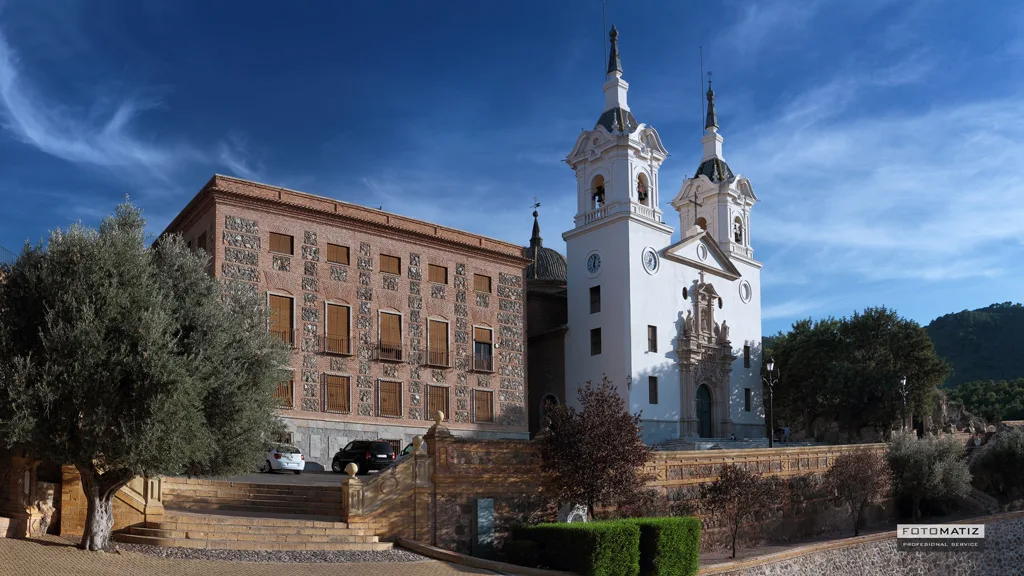
Shifted Devotions and the Patronage of Murcia
During the Middle Ages and early modern era, spiritual devotion across the Kingdom of Murcia was distributed among several Marian titles, including Nuestra Señora de los Remedios and La Virgen del Rosario. However, the undisputed patron saint of the city was the Virgin of La Arrixaca. This thirteenth-century carved figure held immense royal prestige, as King Alfonso X "The Wise" attributed his victorious entry into Murcia to her divine intercession. King Alfonso immortalized the Virgin of La Arrixaca within his celebrated Cantigas de Santa María, cementing her status as one of the oldest recorded Marian devotions in Spain. Over the course of the eighteenth century, popular devotion gradually shifted toward the Virgin of La Fuensanta. Her deep association with the agricultural life of the fertile Murcian plain (la huerta) during periods of severe drought solidified her place in the hearts of the local population. She was officially proclaimed the primary patron saint of the city of Murcia, leading to grand bi-annual processions where her image is carried down from the mountain sanctuary to the Cathedral of Murcia amidst joyous crowds.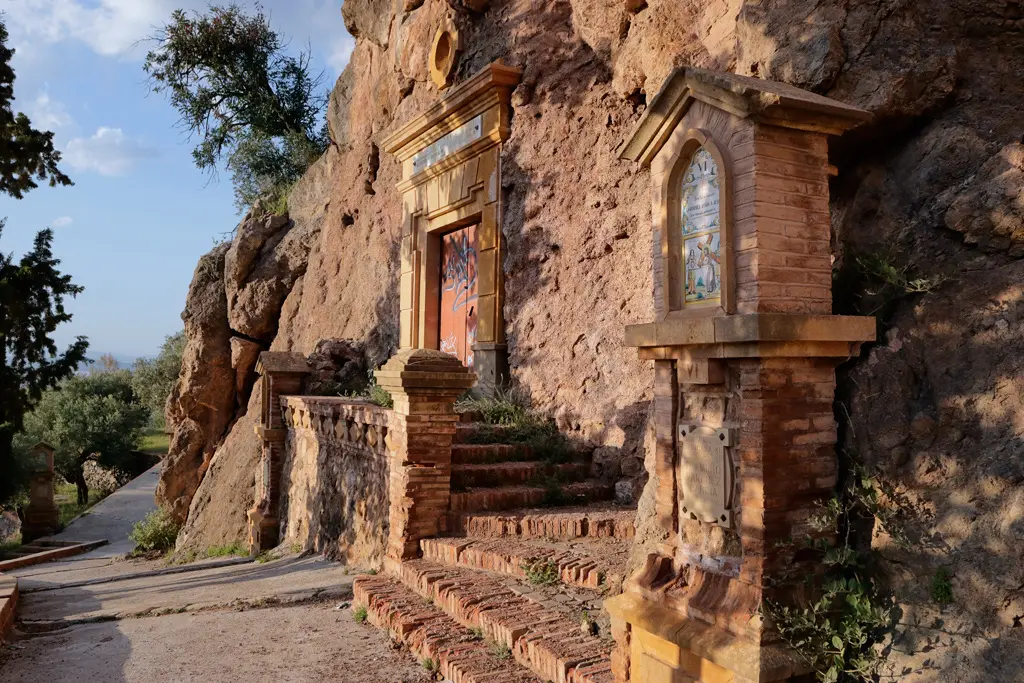
The legendary Cave of the Comedian
The Artistic Evolution of the Sacred Image
The physical image of the Virgin of La Fuensanta has undergone remarkable artistic transformations across the centuries. Originally a medieval wooden carving, she was initially displayed in the sixteenth and seventeenth centuries wearing a simple ceremonial mantle draped over the carved frame. In the early eighteenth century, master restorers altered the statue to accept full fabric vestments, giving her a regal appearance. A pivotal moment occurred in 1722, when the acclaimed Marseillese sculptor Antonio Dupar was commissioned to design the magnificent Camarín—the elevated, ornate shrine chamber located behind the main altarpiece—along with an intricate processional throne. Dupar also carved a stunning figure of the Infant Jesus, which was positioned tenderly on the Virgin's left arm. Surrounded by ancient olive groves, historic landmarks like the Canons' House (Casa de los Canónigos), and the legendary Cave of the Comedian (Cueva de la Cómica), the sanctuary remains a monumental triumph of art, architecture, and enduring faith in Southern Spain.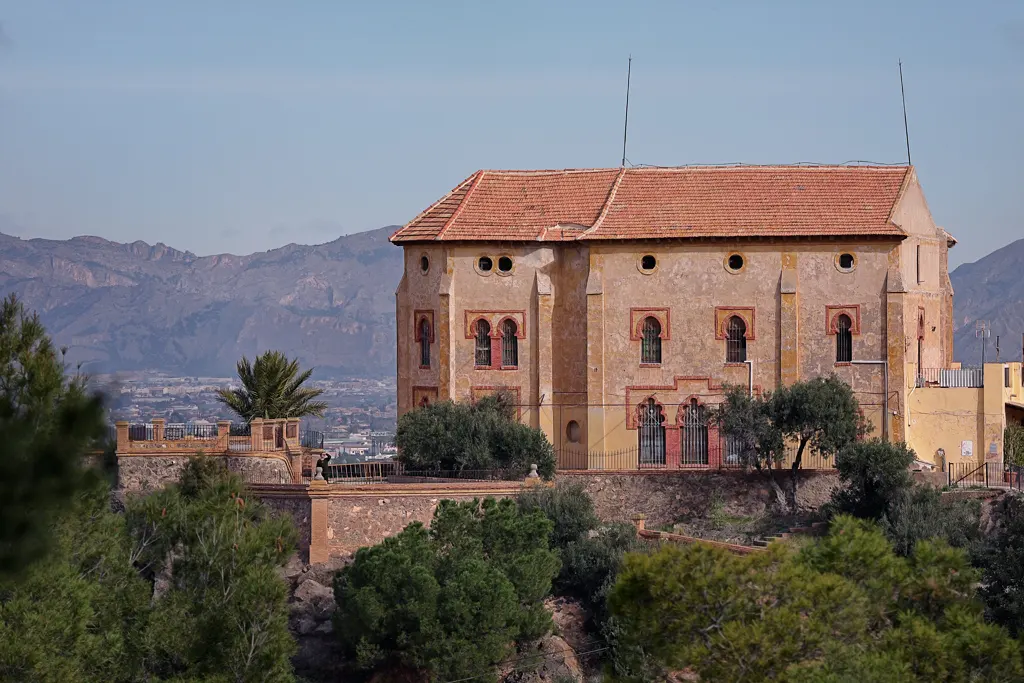
The Canons' House (Casa de los Canónigos)
Adapted from the original article by Angel Matas for santoangel.red, with photography provided by Fotomatiz.