Photographing Valencia’s Science Museum
Explore Valencia’s iconic Science Museum through photography, featuring Santiago Calatrava’s whale-skeleton structure and interactive exhibits.
Modern Architecture Meets Scientific Curiosity
Carrying a camera during personal travels constantly opens doors to unexpected creative inspiration. A visit to the Museu de les Ciències Príncipe Felipe in Valencia, Spain, offers a spectacular convergence of fine art, modern engineering, and educational discovery. Situated within the iconic City of Arts and Sciences complex, this interactive museum stands as a landmark of contemporary architecture. Designed by world-renowned architect Santiago Calatrava, the striking building features a vast structural design evocative of a massive whale skeleton, reaching dramatically above surrounding turquoise reflection pools.
An Interactive Journey of Discovery
Beyond its jaw-dropping exterior, the museum operates under a refreshing philosophy that actively encourages hands-on exploration. Unlike traditional cultural institutions where objects rest behind glass, this space invites visitors of all ages and backgrounds to engage directly with physical experiments and dynamic displays. Spanning multiple sprawling floors, the exhibits cover diverse scientific disciplines, including human biology, physics, space exploration, robotics, and environmental sustainability. This inclusive approach transforms complex scientific concepts into intuitive, accessible experiences for every curious visitor.
Capturing Calatrava’s Vision in Soft Light
Photographing massive white architectural masterworks under the intense Mediterranean sun often presents severe lighting challenges due to extreme visual contrast and harsh shadows. During this visit, an overcast sky provided naturally diffused illumination, casting a gentle light across the building’s sweeping structural ribs and delicate geometric angles. Without the blinding glare of direct sunlight, the subtle details, soft reflections, and flowing lines of Calatrava’s visionary structure revealed themselves with remarkable clarity, creating ideal conditions for capturing the monument’s true aesthetic harmony.
A Milestone in Valencia’s Cultural Landscape
Since the complex first began welcoming visitors with the opening of the Hemisfèric in June 1998, the City of Arts and Sciences has continuously evolved into Valencia’s premier cultural destination. The addition of landmark spaces over the years, extending toward the Ágora and the nearby Oceanogràfic, highlights the city’s commitment to public art and accessible education. Whether marveling at its monumental exterior design or spending hours interacting with its dynamic interior exhibits, Valencia’s Science Museum remains an essential destination for travelers, photography enthusiasts, and lifelong learners alike.
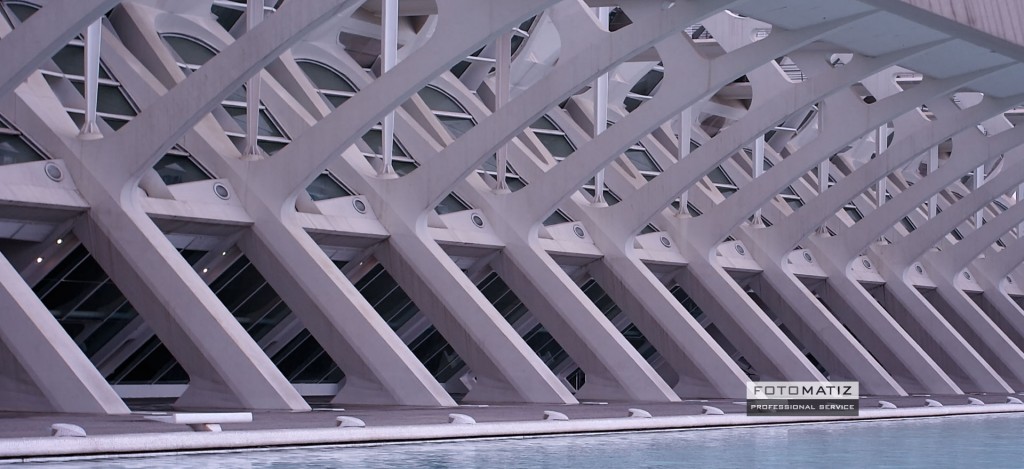
The Science Museum in Valencia (Spain). Designed by Santiago Calatrava and Félix Candela, the building is made up of three floors of which 26,000 square meters is used for exhibitions.