Revitalizing Shepherding in El Campo de San Juan
Discover how revitalizing traditional shepherding in El Campo de San Juan helps prevent wildfires, boost local economies, and restore ecological balance.
A Fading Legacy of Rural Stewardship
Across the picturesque valley of El Campo de San Juan, large herds of sheep and goats once moved freely through the rolling hills, guided by local shepherds. For generations, tending livestock was a foundational way of life, shaping the cultural identity and daily rhythms of rural villages. As educational opportunities expanded throughout the twentieth century, families naturally sought broader economic prospects for their children through academic pathways. While higher education opened valuable new doors, it also initiated a steady decline in traditional pastoral practices, leaving high-altitude pastures without their historic guardians.
Ecological Consequences of Lost Herds
The gradual disappearance of managed herds created far-reaching environmental and economic consequences. Grazing animals fulfill a crucial ecological role by consuming dense underbrush, clearing dry vegetation, and naturally fertilizing the soil. Without active herds, regional food systems also shifted dramatically. Locally crafted artisanal goods, such as traditional sheep milk cheeses, gave way to imported alternatives. This reliance on distant supply chains increased transportation emissions and raised consumer prices, gradually eroding local agricultural self-sufficiency.
Wildfire Risk and Climate Mitigation
In the face of rising global temperatures, unmanaged overgrown terrain poses a severe environmental hazard. Dense, untended brush transforms overgrown mountainsides into abundant fuel for catastrophic wildfires. Reintroducing controlled, traditional grazing offers an effective, low-impact strategy for landscape maintenance and wildfire prevention. By clearing dry growth along fire-prone corridors, grazing herds act as natural land stewards, creating protective barriers that safeguard surrounding ecosystems and human communities alike.
Investing in Modern Pastoral Futures
Restoring ecological balance and revitalizing rural hamlets requires a modern appreciation for sustainable shepherding. Regional governments and policymakers must actively support pastoral professions through targeted economic incentives, technical training programs, and fair compensation for environmental stewardship. Reframing shepherding as a vital green career can attract a new generation of environmentally conscious land managers. Investing in local livestock production supports vibrant rural economies, lowers carbon footprints, and honors a rich heritage that protects both communities and natural landscapes for years to come.
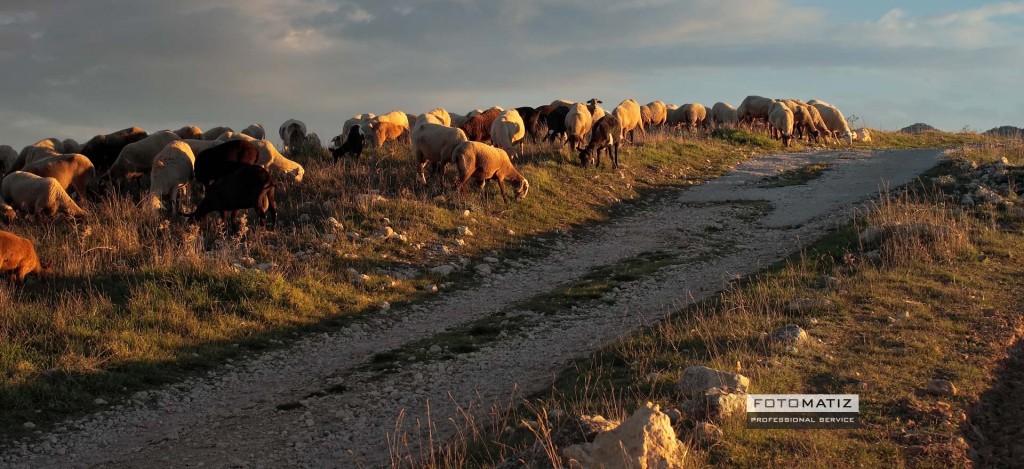
Grassing sheep in El Campo de San Juan