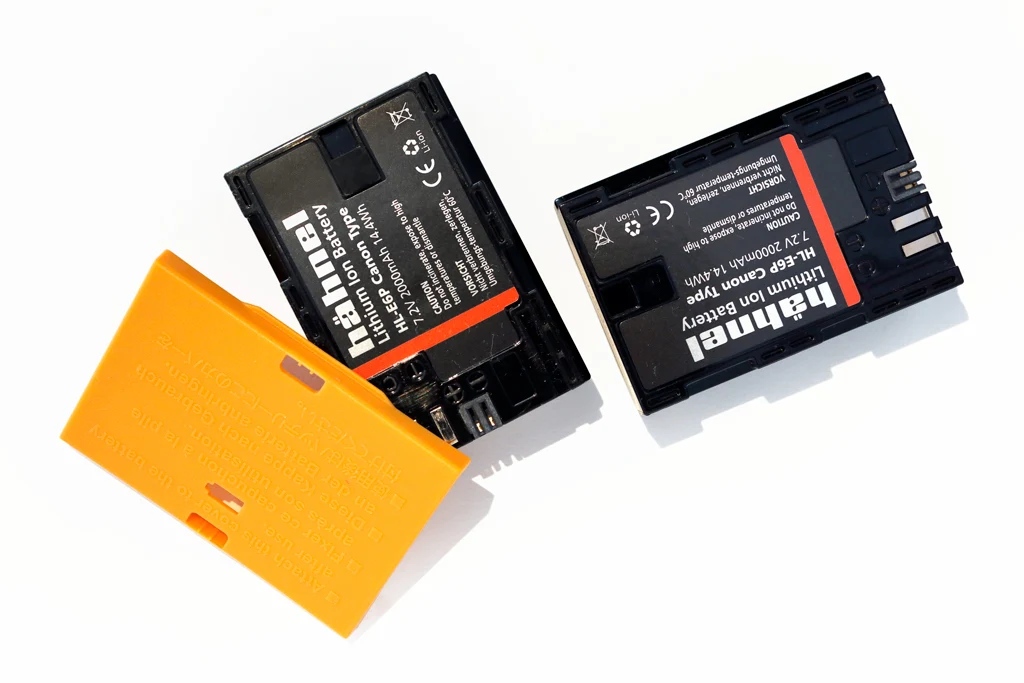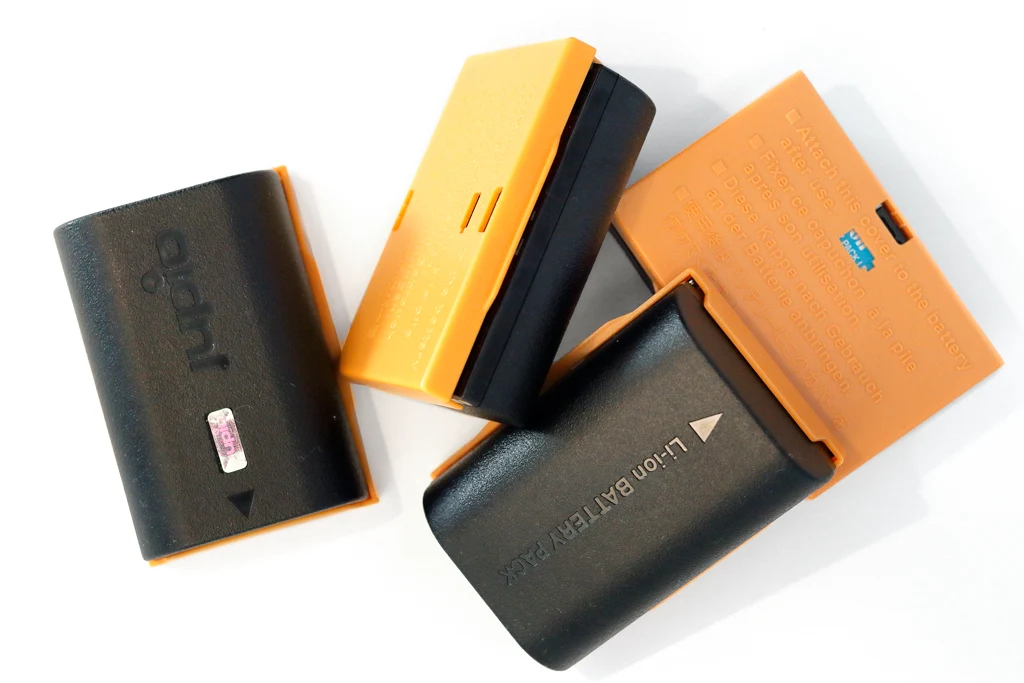
The Search for Reliable Camera Batteries in Real-World Photography
When you are in the middle of a shoot and your equipment suddenly stops working, the critical need for a dependable power source becomes immediately clear. Last week, one of my own camera batteries unexpectedly failed. That moment prompted me to document my hands-on experience with various power options. In a digital world saturated with spec sheets and lab benchmarks, practical field insights remain surprisingly scarce. This analysis relies on neither laboratory tests nor theoretical calculations. Instead, it reflects careful observations gathered from hundreds of hours of intensive field use, offering an authentic guide for photographers seeking dependable energy solutions.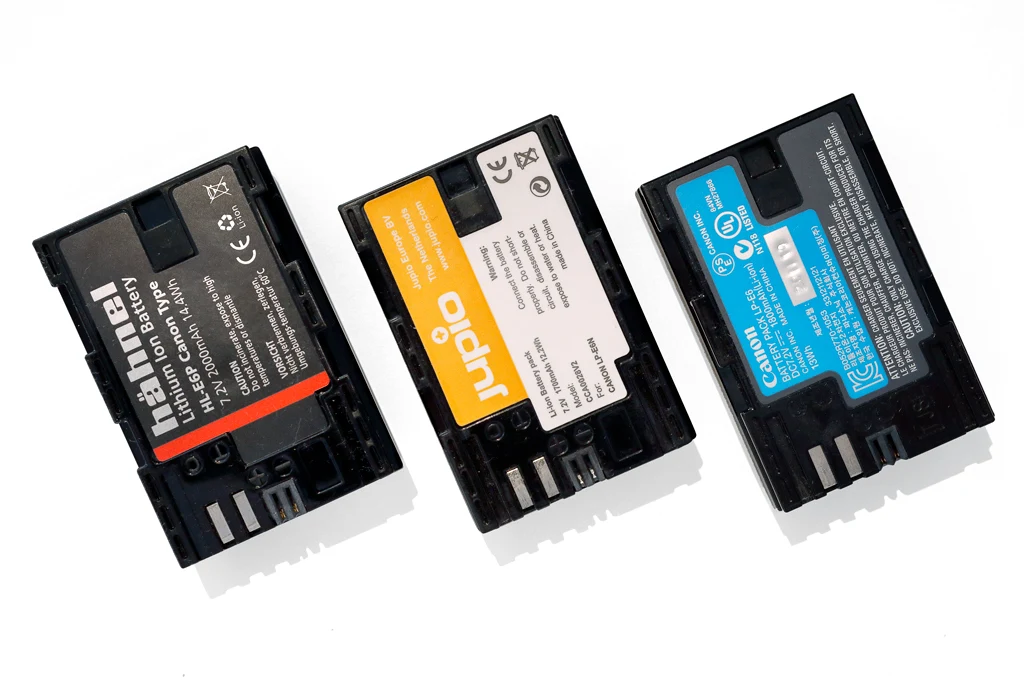
The Role of Stable Energy in Professional Photography
Batteries act as the quiet engine behind a photographer's entire setup. Without a consistent energy flow, even the most advanced camera body becomes little more than an expensive paperweight. While our dependence on portable power feels greater today than ever, this reliance is hardly new. Even during the film era, cameras depended on small batteries to power light meters and shutter mechanisms. Modern digital photography, however, demands significantly more energy, making battery selection a decisive factor for field reliability.Why Latest-Generation Camera Gear Isn't Always Essential
A common misconception suggests that working professionals constantly upgrade to the newest gear. Practical reality tells a different story. My personal kit relies primarily on Canon bodies alongside lenses and secondary systems from Sony, Fujifilm, and Nikon. Despite the widespread shift toward mirrorless systems, I continue to rely heavily on classic DSLRs. The final image never reveals the exact camera brand or model used to capture it. Lens optical quality, on the other hand, remains clearly visible, especially when producing large prints or heavy crops.The Financial Reality of Upgrading Camera Gear
Switching to an entirely new camera ecosystem carries heavy financial consequences. Introducing a new body format or brand usually requires replacing lenses and acquiring an entirely new generation of proprietary batteries. Unless an upgrade directly improves image quality or increases business revenue, making such a massive investment rarely makes financial sense. Professional camera bodies are engineered to withstand years of hard use, and if a component fails, repairing an existing body costs a fraction of buying into a new system.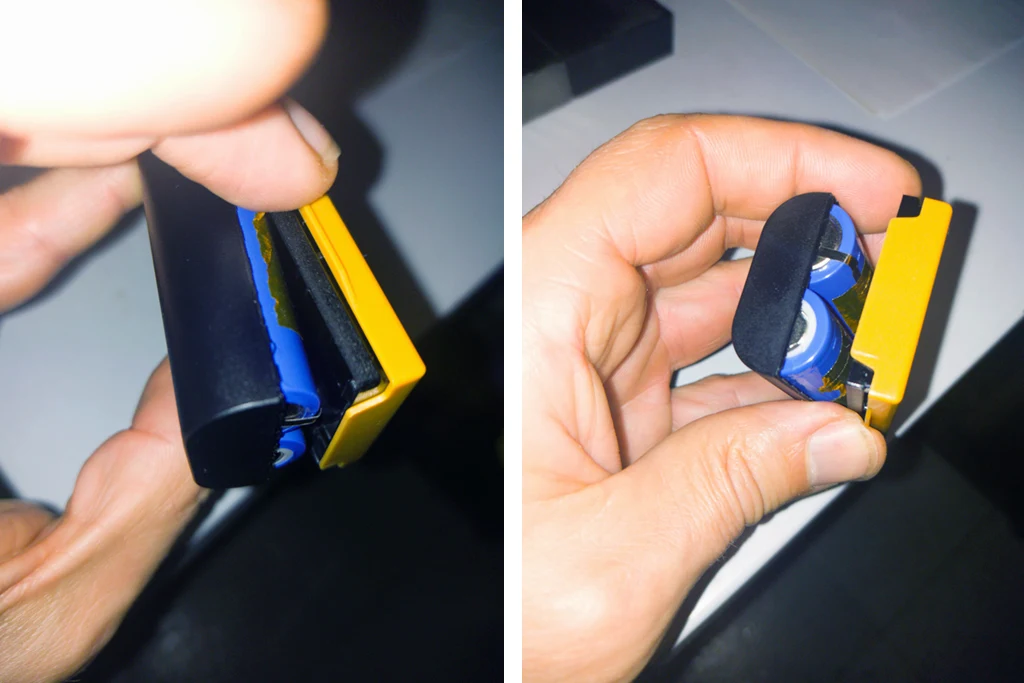
This battery was sold to me as a genuine Canon original. Upon arrival, the protective cap was glued directly to the casing. When I tried to gently remove the cap, the entire battery split open without much pressure, giving off a strong smell of glue. I requested a full refund and received it immediately after sending these photos.
Genuine OEM Batteries and Their High Price Point
Original batteries manufactured by Canon, Nikon, and Sony represent the gold standard in durability and build quality. Canon batteries in particular stand out for their backward compatibility and exceptional operational lifespan. A nearly twenty-year-old battery pack in my kit can still yield over a hundred shots using a few field tricks. The main drawback remains the steep retail price. Additionally, manufacturers often discontinue older battery models, while the newest high-capacity variants deliver far more power than a standard DSLR requires.Testing Third-Party Battery Brands in the Field
Faced with high costs and limited availability for legacy OEM power packs, I have used third-party alternatives for over a decade. My daily gear bag contains original units alongside third-party batteries from Jupio, Hähnel, and Patona. Using these brands side by side over long periods and across varied shooting environments has revealed clear differences in long-term performance, build quality, and real-world reliability.Camera Protocols and Third-Party Battery Compatibility
A fundamental requirement for any replacement battery is seamless communication with the camera body. Modern digital cameras perform an internal check upon startup to verify whether the inserted pack communicates properly with their firmware protocols. When this handshake fails, the camera simply refuses to power on—a frequent issue with dirt-cheap unbranded units. Third-party options from Jupio, Patona, and Hähnel pass this test easily, gaining immediate acceptance across different camera systems. Voltage Drain and Lifespan Issues with Jupio Batteries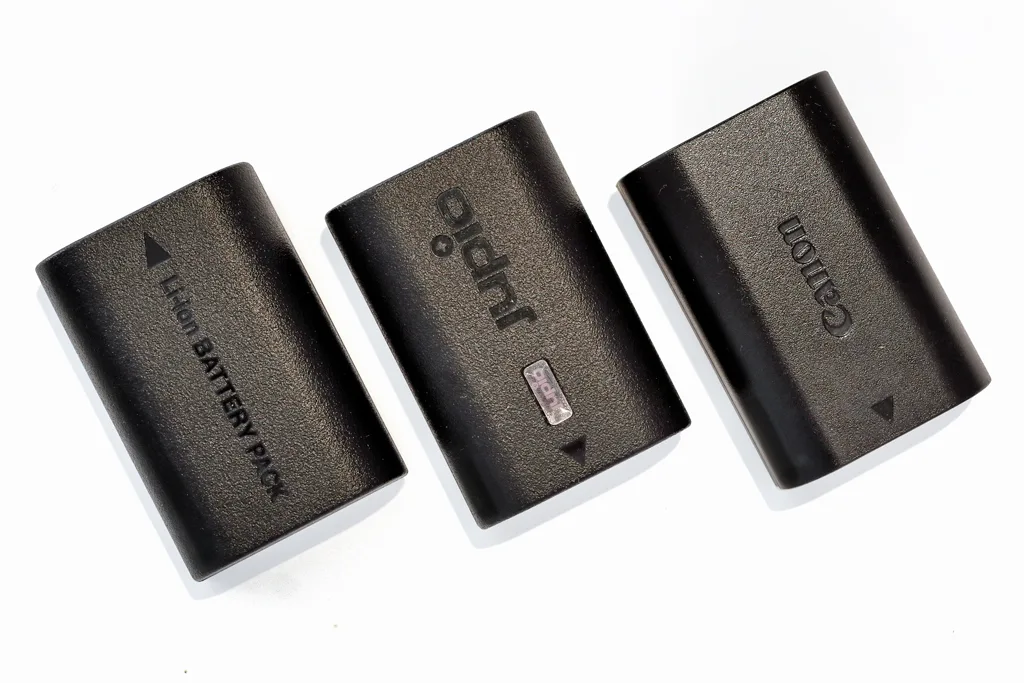 Field experience indicates that Jupio batteries struggle the most with charge retention. They tend to discharge rapidly even while sitting idle inside a stored camera. Where an original Canon battery can remain inside a body for weeks without noticeable power loss, Jupio packs must be removed immediately after a shoot to prevent total discharge. Furthermore, their functional lifespan averages only three to four years. A recent unit failed entirely after two years and three months—just past the statutory European warranty period—refusing to charge fully and triggering error codes on the factory charger.
Middle-of-the-Road Reliability with Patona Packs
Patona batteries (used in my Sony cameras) demonstrate noticeably better endurance than Jupio options. After nearly four years of regular use, my Patona packs continue to perform predictably. Although their idle discharge rate remains higher than that of genuine Sony batteries, the power loss is easy to manage in practice. As long as you remove the batteries from your camera bag between assignments, Patona offers a dependable and cost-effective power supply.Why Hähnel Earns Top Marks as a Professional Alternative
Among all the third-party brands tested, Hähnel delivers the most impressive real-world performance. In daily use, the operational difference between a factory OEM pack and a Hähnel battery is virtually unnoticeable. While Hähnel products cost slightly more than budget B-brands, they remain significantly more affordable than original manufacturer options. My oldest Hähnel batteries have passed the four-year mark and still hold a solid charge. Small design touches—like a protective cover with an inspection window that indicates whether the battery is charged or depleted—make working in the field noticeably smoother.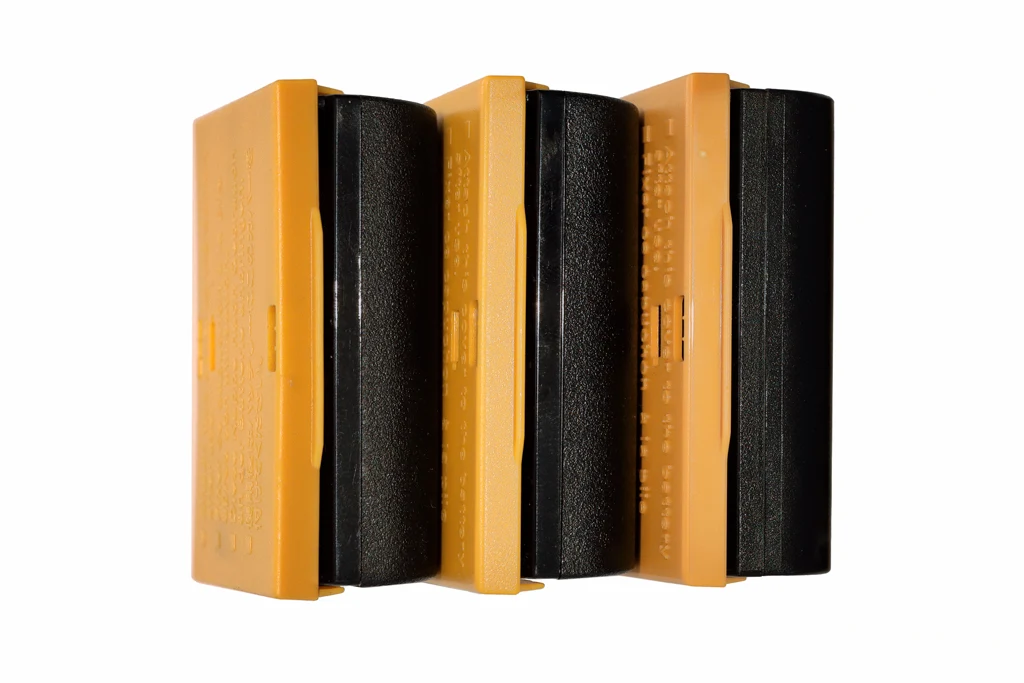
Battery Logistics and Charging Protocols on Assignment
During busy shooting days, self-discharge rates matter far more than actual charging speeds. On every professional assignment, I carry a dedicated reserve of three to four fully charged packs. To guarantee safe current transfer and prolong battery health, I charge all packs exclusively using original manufacturer chargers, regardless of the battery brand. Managed properly, one to one-and-a-half battery charges easily cover a full day of shooting.Managing Temperature Effects on Lithium-Ion Performance
Ambient temperature directly influences the chemical balance and power output of lithium-ion cells. In freezing conditions, voltage drops quickly, causing a camera to report a dead battery even when usable energy remains stored inside. Keeping spare packs warm in an inside jacket pocket helps maintain steady voltage. Conversely, excessive heat permanently degrades battery chemistry. Leaving camera gear in a sunbaked car or under direct sunlight causes severe internal wear and should be avoided at all costs. Best Practices for Battery Storage and Charging.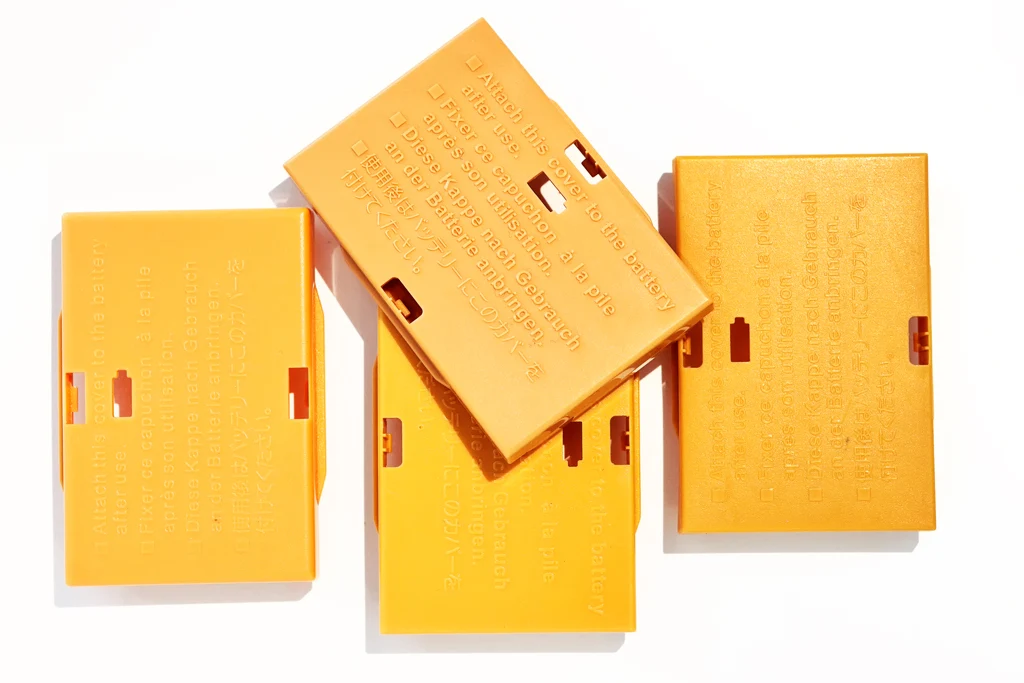
These little caps are very handy
Adopting proper storage habits prevents premature capacity loss. When storing camera equipment for extended periods, aim to keep battery charge levels around fifty percent. Storing lithium-ion cells completely full or entirely drained induces chemical stress that shortens their lifespan. Always remove batteries from camera bodies during storage, as internal camera electronics draw a tiny continuous current even when turned off.In-Camera Power Management Settings
Beyond physical care, tweaking internal camera settings yields substantial power savings. The rear LCD screen consumes more power than almost any other component. Lowering screen brightness or relying more frequently on the electronic viewfinder noticeably conserves energy. Disabling unused wireless connectivity features—such as Wi-Fi, Bluetooth, and internal GPS—further extends active shooting time on a single charge.Fine-Tuning Camera Operations to Save Energy
Minor menu adjustments make a noticeable difference during long assignments. Setting a short auto-sleep timer ensures the camera powers down quickly when idle. Built-in image stabilization in the lens or sensor also draws continuous power; switching stabilization off when shooting from a stable tripod saves valuable energy without affecting image quality.