Capturing the Spanish Wall Gecko in Blue Backlight
Discover how macro photography and creative backlighting reveal the intricate details and survival traits of the Spanish wall gecko.
A Gentle Hunter of Spanish Nights
Exploring the varied landscapes of Spain with a dedicated macro camera setup continuously opens doors to unexpected encounters with local wildlife. Among the most recognizable nocturnal residents across the country is the common wall gecko (Tarentola mauritanica). These resilient reptiles, growing up to fifteen centimeters in length, have coexisted alongside human communities for generations. Found everywhere from warm coastal city walls to quiet inland sanctuaries like El Sabinar in Moratalla, wall geckos play a vital role in local ecosystems as effective insect predators. During warm summer evenings, they gather near streetlamps and patio lighting, patiently waiting to intercept moths and other insects attracted to the glow.
Creative Strobe Lighting on Translucent Blue
A recent field session presented an intriguing visual opportunity when a wall gecko rested atop a piece of translucent blue plastic. Rather than relying solely on front illumination, this unique surface invited a creative lighting technique to highlight the gecko’s silhouette and delicate skin texture. Placing an off-camera wireless flash equipped with a diffusion filter directly behind the blue material created a soft, vibrant backlight. Adjusting flash output and camera exposure remotely allowed for swift framing tweaks. Impressively, the gentle sound of the shutter and localized bursts of light did not disturb the gecko, allowing it to remain still while fine-tuning the angle for the perfect image.
Natural Defense and Remarkable Regeneration
A closer inspection of the resulting photograph reveals an intriguing anatomical detail: a missing tail. Like many lizard species, wall geckos possess the extraordinary ability to drop their tails when feeling threatened by a predator, a survival mechanism known as caudal autotomy. The shed tail twitches independently, distracting attackers and giving the gecko precious time to retreat to safety. Over time, the tail regenerates, usually returning slightly shorter and thicker than the original. Combining artistic lighting choices with an appreciation for natural history transforms an everyday encounter with a helpful garden visitor into a striking visual portrait.
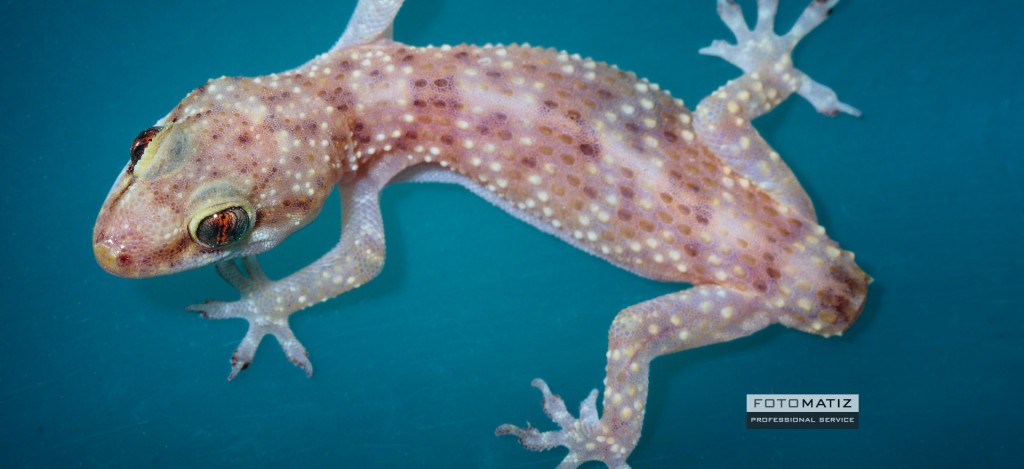
Portrait of a Gecko found in a blue translucent plate